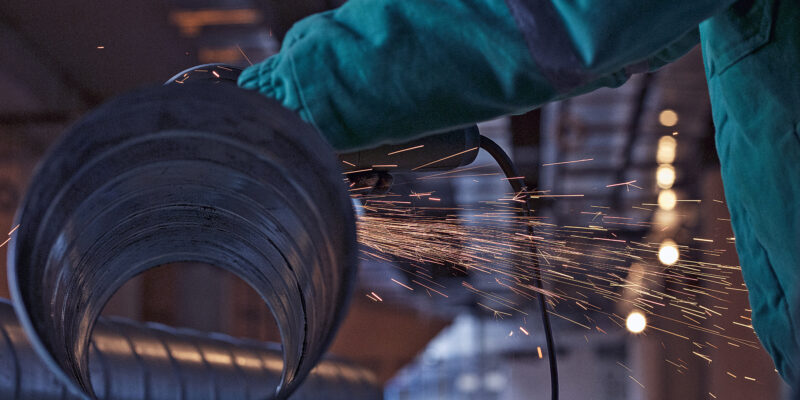
In today’s manufacturing world, laser cutting and metal fabrication are revolutionising how we build products, structures, and components. From architectural panels to industrial machinery parts, these processes deliver exceptional precision, efficiency, and quality.
If you’re in Melbourne and looking for metal fabrication services, understanding the benefits of laser cutting can help you choose the best approach for your next project. Here, we outline why laser cutting has become essential in metal fabrication in Melbourne industries, and how it supports precision specialty tooling and metal cutting guillotine processes.
What is Laser Cutting in Metal Fabrication?
Laser cutting is an advanced method that uses a focused, high-powered laser beam to cut through materials with exceptional accuracy. In metal fabrication, it allows manufacturers to cut mild steel, stainless steel, and aluminium sheets into complex shapes without physical contact or tool wear.
Key Benefits of Laser Cutting in Metal Fabrication
1. Superior Precision and Accuracy
One of the top advantages of laser cutting is its unparalleled precision. Whether you’re fabricating intricate designs or structural components, laser cutting ensures:
- Tight tolerances for precision specialty tooling
- Clean, burr-free edges requiring minimal post-processing
- Consistent repeatability for mass production
Traditional cutting methods, such as the metal cutting guillotine, are ideal for straight, uniform cuts. However, when your project demands intricate profiles and detailed geometries, laser cutting offers far greater flexibility.
2. High Cutting Speed and Efficiency
Laser cutting machines work rapidly compared to conventional saws or guillotines. For thin to medium-thickness metals, laser cutting can outperform the speed of mechanical cutting, leading to:
- Faster turnaround times
- Reduced labour costs
- Increased productivity in your fabrication process
In Melbourne’s competitive metal fabrication industry, turnaround time is often a key factor in determining customer satisfaction. By integrating laser cutting, companies can deliver projects ahead of schedule without compromising quality.
3. Versatility Across Materials and Thicknesses
Laser cutting isn’t limited to steel alone. It works effectively on:
- Stainless steel
- Mild steel
- Aluminium
- Brass and copper (with specialised laser systems)
This versatility enables fabrication workshops to cater to a diverse range of industries, including automotive, architectural, food processing, and precision specialty tooling.
4. Minimal Material Waste
Material optimisation is critical in today’s manufacturing landscape. Laser cutting uses computer numerical control (CNC) systems to nest parts efficiently on the sheet, which results in:
- Reduced scrap waste
- Lower material costs
- Sustainable fabrication practices
This makes it an environmentally friendly and cost-effective option compared to traditional cutting methods.
5. Reduced Tool Wear and Maintenance
Unlike mechanical cutting, laser cutting does not involve direct contact with the material. This means:
- No tool wear
- Consistent cut quality throughout production
- Less downtime for maintenance
In contrast, a metal cutting guillotine, while effective for shearing straight cuts, requires blade sharpening and maintenance to ensure clean cuts over time.
How Does Laser Cutting Complement Metal Cutting Guillotine Processes?
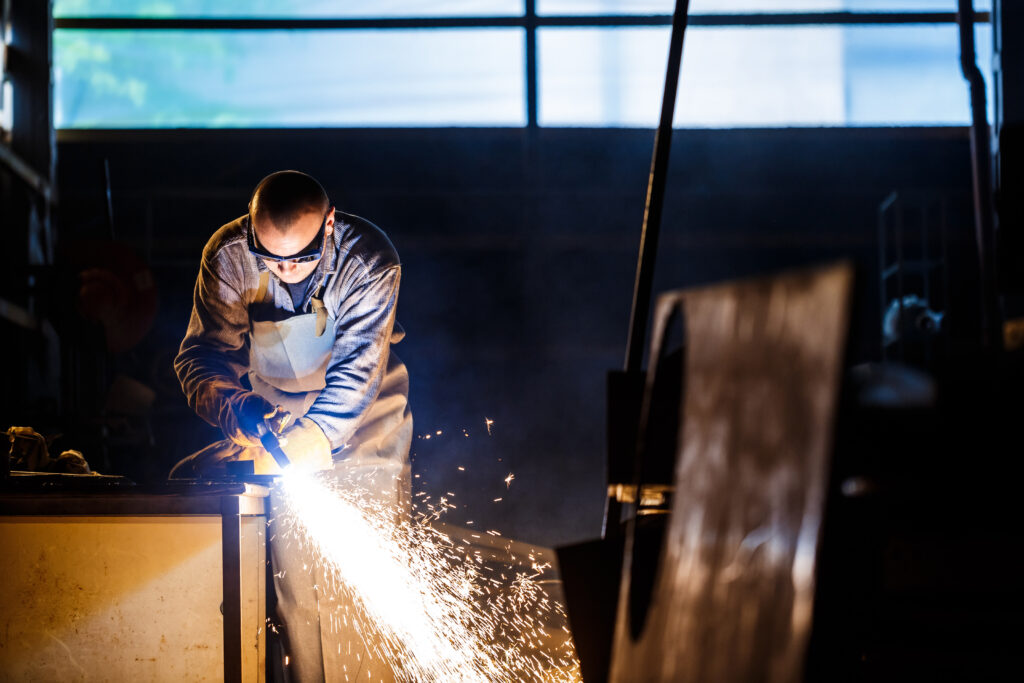
While laser cutting is excellent for precision cutting, metal cutting guillotines remain essential for quick, straight cuts on metal sheets. Many metal fabrication Melbourne workshops integrate both processes to achieve:
- High-volume straight cutting via guillotines
- Complex profiling and custom shapes via laser cutting
This dual approach optimises production workflows and ensures that clients receive the best balance of cost-efficiency and precision.
6. Enhanced Design Capabilities
Modern industries demand innovative designs and custom components. Laser cutting enables:
- Complex patterns and cut-outs
- Intricate perforations for architectural screens
- High-detail engraving for branding or part identification
For companies requiring precision specialty tooling, laser cutting enables the creation of components with exact dimensions, ensuring seamless integration into assemblies or machinery.
7. Improved Safety Standards
Safety is a priority in metal fabrication. Laser cutting systems are enclosed and automated, reducing manual handling risks. Operators can manage the cutting process remotely, minimising exposure to sharp edges or flying debris, which are common with manual shearing using a metal cutting guillotine.
8. Cost-Effective for Prototyping and Production
Because of its flexibility and CNC integration, laser cutting is ideal for:
- One-off prototypes
- Small batch runs
- Full-scale production orders
This adaptability reduces tooling costs and setup time, making it economical for businesses investing in new product development.
Why Choose Professional Metal Fabrication Melbourne Services?
When selecting a metal fabrication workshop in Melbourne, ensure they offer both laser cutting and traditional guillotine services. This ensures:
- Cost-effective straight cuts with a metal cutting guillotine
- Complex profiling and accuracy with laser cutting
- End-to-end fabrication solutions from design to delivery
Precision Tooling companies that integrate laser cutting also improve their precision specialty tooling offerings, ensuring clients receive parts that fit perfectly and function reliably.
Final Thoughts
Laser cutting has transformed the metal fabrication industry with its precision, speed, and versatility. Combined with traditional cutting methods, such as metal cutting guillotines, it offers a comprehensive solution for projects across the automotive, construction, architectural, and industrial sectors.
If you’re looking to enhance your production process or require precision specialty tooling, investing in laser cutting and metal fabrication Melbourne services can help you achieve:
- Superior quality components.
- Reduced production times.
- Competitive market advantage.