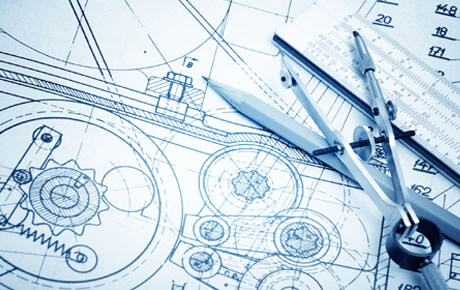
In modern manufacturing, precision, efficiency and consistency are essential for successful production. Before a component can be machined, fabricated or assembled, manufacturers need accurate technical drawings that clearly communicate design specifications. Even a small drafting error can result in material waste, production delays, rework and increased costs.
This is where professional CAD drafting services can make a significant difference. By transforming concepts, measurements, and engineering requirements into detailed digital drawings, CAD drafting helps manufacturers create accurate designs ready for production.
What Is CAD Drafting in Manufacturing?
Computer-Aided Design (CAD) drafting involves creating detailed digital representations of components, products, machinery and other manufactured parts. These drawings provide manufacturers with essential information such as dimensions, tolerances, materials, geometric details and assembly requirements.
Unlike traditional manual drafting, CAD allows designs to be created, modified and reviewed efficiently. Digital drawings can also be shared between designers, engineers, machinists and fabricators, helping everyone work from the same technical information.
For manufacturers, accurate drafting is not simply about creating an attractive drawing. The objective is to develop a precise design that can be translated into a practical manufacturing process.
Improved Manufacturing Accuracy
One of the biggest advantages of professional CAD design and drafting services in Melbourne is improved accuracy. Manufacturing processes often require extremely precise measurements, particularly when producing components that must fit together or interact with other parts.
Detailed CAD drawings can specify exact dimensions, tolerances, hole positions, angles and other critical features. This gives machinists and fabricators clear instructions to follow during production.
Accurate design documentation can reduce misunderstandings and minimise manufacturing errors. This is particularly important for CNC machining solutions, metal fabrication, tooling and engineered components where precision directly affects the final product.

Better Communication Between Design and Production Teams
Manufacturing projects often involve multiple people, including engineers, designers, machinists, fabricators, project managers and clients. Without clear documentation, important design information can be misunderstood or overlooked.
CAD drawings provide a common reference point for everyone involved in a project. Dimensions, specifications and design features can be clearly documented, making it easier for production teams to understand the intended outcome.
This improved communication can help reduce unnecessary revisions and keep projects moving efficiently from design through to manufacturing.
Supporting 2D and 3D Manufacturing Requirements
Different manufacturing projects require different types of design documentation. 2D CAD and 3D CAD drafting can provide manufacturers with detailed views and digital models suited to different stages of product development and production.
2D drawings are useful for communicating dimensions, sections, annotations and manufacturing specifications. They can provide machinists and fabricators with the technical information needed to manufacture individual components.
3D models, meanwhile, allow designers and engineers to visualise components in three dimensions. They can help identify potential design issues, examine component relationships and understand how parts will fit together before production begins.
Using the appropriate CAD format can therefore improve both design validation and manufacturing preparation.
Reducing Production Errors and Material Waste
Manufacturing mistakes can be expensive. An incorrect dimension, missing feature or misunderstood specification may result in a component being manufactured incorrectly.
When this happens, businesses may need to purchase additional materials, repeat machining operations or allocate additional labour to correct the problem.
Detailed CAD documentation can help reduce these risks by providing precise production information before manufacturing begins. Design issues can also be identified and addressed earlier, when changes are generally easier and less costly to make.
This can reduce material waste, reduce rejected components, and make production costs more predictable.
Easier Design Modifications and Revisions
Manufacturing requirements can change during a project. A client may request a dimensional modification, an engineer may identify an improvement, or a component may need to be adapted for a different application.
Digital CAD files make these changes easier to manage than traditional manual drawings. Dimensions, features and other design elements can be modified without recreating the entire drawing from scratch.
Maintaining organised digital design files can also make future revisions more efficient. Manufacturers can refer back to previous designs and develop updated versions when required.
Creating Production-Ready Documentation
A concept or initial sketch is only the beginning of the manufacturing process. Production requires technical information that clearly explains how to manufacture a component.
Production-ready drawings should communicate relevant dimensions, tolerances, materials, finishes and other specifications required for the particular project. They should also be presented clearly so that manufacturing teams can interpret the information without unnecessary confusion.
Working with an experienced CAD provider helps ensure design documentation is developed with practical manufacturing requirements in mind.
Supporting Quality Control
CAD documentation can also contribute to quality assurance. Once a component has been manufactured, production teams can compare the finished part against the original specifications.
Clearly documented dimensions and tolerances provide useful reference points for inspection and measurement. This can make it easier to identify deviations and maintain consistent quality across production runs.
For businesses manufacturing repeat components, accurate design documentation can also help maintain consistency between batches and future production cycles.
Why Choose an Experienced CAD Partner?
Choosing the right CAD provider matters because manufacturing drawings must reflect both design requirements and real-world production considerations.
An experienced provider understands how technical drawings relate to machining, fabrication, tooling and other manufacturing processes. This practical understanding can help create documentation that is not only technically accurate but also useful on the workshop floor.
Precision Tooling supports manufacturers with detailed design and drafting solutions that bridge the gap between engineering concepts and practical production requirements.
Need accurate CAD documentation for your next manufacturing project? Contact Precision Tooling to discuss your requirements and discover how our CAD design and drafting services can support your production goals.