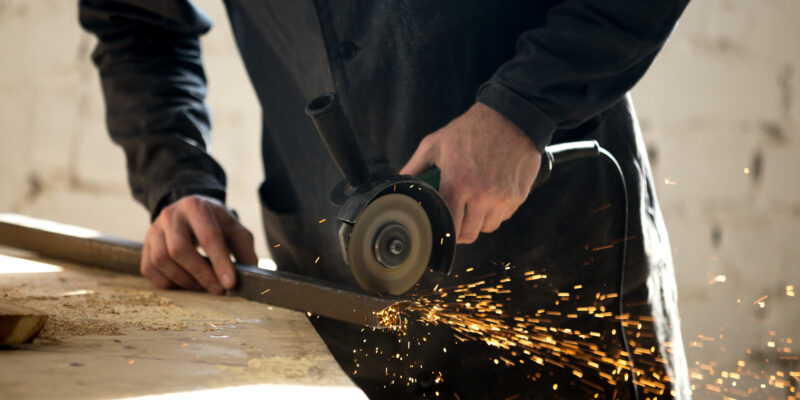
Modern manufacturing depends on components that are accurate, consistent and reliable. Even small variations in size, shape or surface finish can affect how a part fits, moves or performs. This is why precision machining and finishing processes are essential for manufacturers working with demanding specifications. Cylindrical grinding is one such process, producing accurate round components with smooth surface finishes and repeatable results.
What Is Cylindrical Grinding?
Cylindrical grinding is a precision machining process that shapes and finishes cylindrical workpieces. A grinding wheel removes small amounts of material from a rotating workpiece to achieve the required dimensions, roundness and surface quality. Depending on the application, the workpiece can be held between centres or in a chuck.
Precision Tooling provides cylindrical grinding services for components up to 1 metre. The process can be used for parts with a central axis of rotation and is suitable for applications where accurate specifications and high-quality finishes are important.
How Does It Improve Manufacturing Precision?
Achieves Tight Tolerances
One of the main advantages of cylindrical grinding is its ability to produce components to highly accurate specifications. This is particularly important where components need to fit with other parts or operate with controlled clearances. Consistent dimensional accuracy helps manufacturers reduce variation and maintain dependable product quality.
Improves Surface Finish
Grinding removes small amounts of material through abrasion, allowing the final surface to be refined after other machining operations. A smoother surface can improve the fit and performance of components while helping reduce unwanted roughness. This makes precision grinding useful when surface quality is an important part of the finished specification.
Provides Consistent Roundness
For shafts, rods, bearings and similar cylindrical components, maintaining accurate roundness is essential. Cylindrical grinding can produce high-precision round surfaces and consistent results across components. This repeatability is valuable for production environments where parts must meet the same requirements from one job to the next.
Supports Complex Component Requirements
Different grinding methods can be selected according to the component and its geometry. External grinding can refine outside diameters, while internal grinding is used for accurate bores and holes. Centreless grinding, plunge grinding and universal grinding can also address different production requirements. This flexibility allows manufacturers to select an appropriate process for the component being produced.
Helps Restore Worn Components
Precision grinding is not limited to new manufacturing. It can also be used to restore worn or damaged components to their original specifications. For businesses, repairing a suitable component may be faster and more cost-effective than sourcing a replacement. It can also help reduce machinery downtime and keep production moving.
Where Is Cylindrical Grinding Used?
Precision grinding is used across industries where component accuracy is critical. Automotive manufacturing can use the process for components such as crankshafts, camshafts and transmission parts. Aerospace applications may require highly accurate components for areas such as landing gear, turbine systems and fuel systems. Medical device manufacturing and industrial tooling also rely on accurate, consistent components.
The process is suitable for a range of materials, including metals, plastics, ceramics and composites, depending on the component and application requirements.
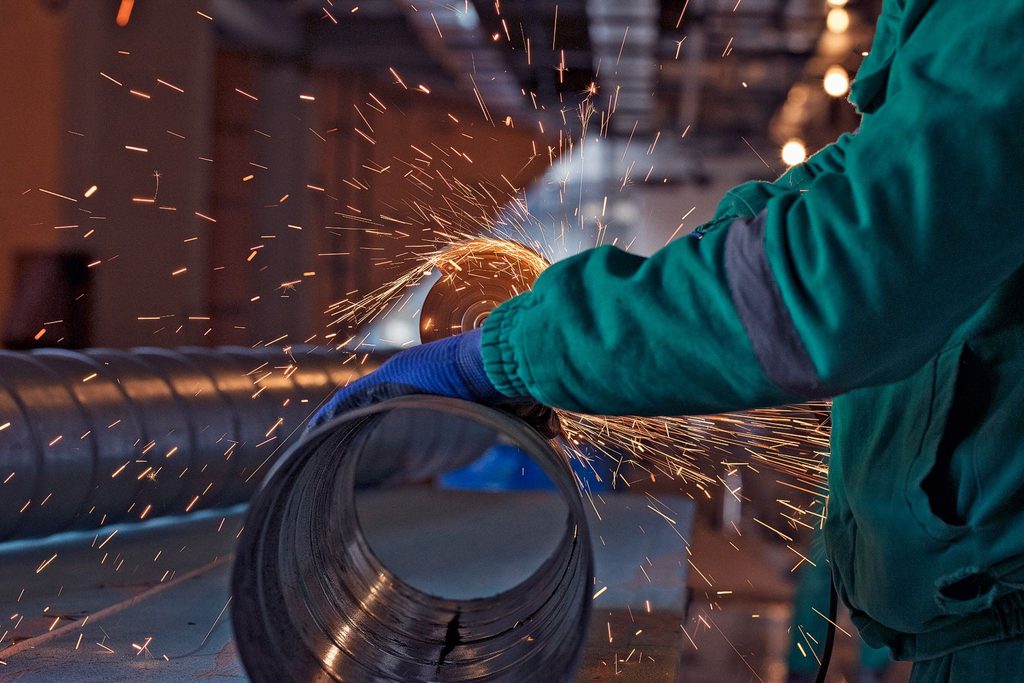
Why Choose Precision Tooling?
Precision Tooling combines engineering experience with modern manufacturing capabilities to support customised component requirements. The company has more than 50 years of engineering experience and provides a range of services, including cylindrical grinding, surface grinding, CNC machining, milling, turning, CAD design, toolmaking and component manufacturing.
Its cylindrical grinding capability extends to components up to 1 metre, with a focus on accurate specifications, quality and reliable turnaround. The team can also support prototype and full-scale production requirements, helping customers select solutions suited to their projects.
Conclusion
As manufacturing requirements become increasingly precise, reliable finishing processes play an important role in achieving consistent component quality. Cylindrical grinding can improve dimensional accuracy, roundness, surface finish and repeatability, making it a valuable process for many industrial applications. From producing new precision components to restoring worn parts, the process can help manufacturers achieve specifications while supporting efficiency and reducing unnecessary downtime.
For businesses seeking precision grinding services in Melbourne, Precision Tooling can provide tailored engineering support based on the component, material and required specifications.
FAQs
1. What is cylindrical grinding used for?
It is used to accurately shape and finish cylindrical components, including shafts, rods, bearings and other round parts. It can also restore worn components to their required specifications.
2. What types of cylindrical grinding are available?
Common types include external, internal, centreless, plunge and universal grinding. The appropriate method depends on the component’s shape, dimensions and finishing requirements.
3. What materials can be processed?
The process can be applied to various materials, including metals, plastics, ceramics and composites, depending on the job requirements and component characteristics.
4. How large a component can Precision Tooling grind?
Precision Tooling offers cylindrical grinding for components up to 1 metre, making the service suitable for a range of industrial component requirements.
5. Can grinding reduce manufacturing downtime?
Yes. Grinding can restore suitable worn or damaged components to their original specifications, which may be faster and more cost-effective than sourcing replacement parts. This can help minimise machinery downtime.