Industrial manufacturing depends on precision, efficiency, and consistency to produce high-quality components for a wide range of industries. From automotive and construction to aerospace and mining, businesses rely on advanced fabrication and machining processes to create durable parts that meet exact specifications. Two of the most important manufacturing methods are metal fabrication and CNC machining, both of which play a vital role in modern production.
Whether you’re developing custom components or producing parts for large-scale manufacturing, understanding these processes can help you choose the right solution for your project. Partnering with an experienced metal fabrication provider in Melbourne ensures your components are manufactured to high industry standards while meeting project deadlines.
What Is Industrial Metal Fabrication?
Metal fabrication is the process of transforming raw metal materials into finished products through various manufacturing techniques. It involves cutting, bending, forming, welding, and assembling metal to create components used in residential, commercial, and industrial applications.
Industrial metal fabrication supports countless sectors by producing products such as:
- Structural frames
- Machine components
- Brackets and supports
- Safety guards
- Enclosures
- Custom equipment
- Sheet metal products
- Industrial assemblies
Every fabrication project requires careful planning, material selection, and quality control to ensure the finished product performs as intended.
Common Metal Fabrication Processes
Several fabrication techniques work together to create precision-engineered products.
Cutting
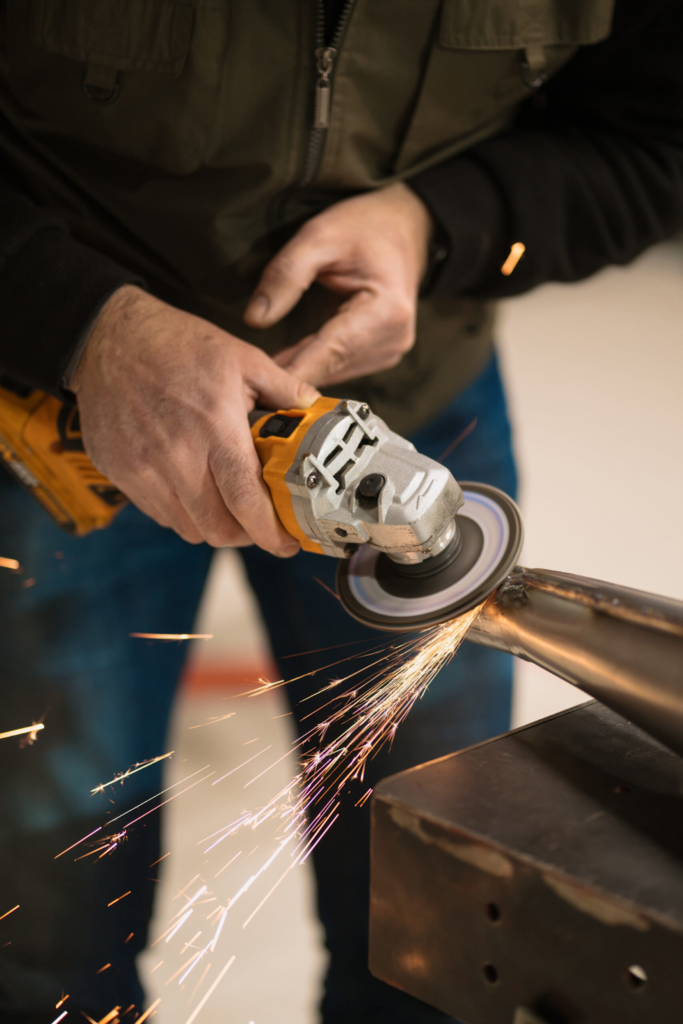
Metal sheets and plates are cut into precise dimensions using advanced machinery. Accurate cutting reduces waste while ensuring components fit together correctly.
Bending
Bending shapes flat metal into specific angles required for structural and functional applications. This process is widely used in brackets, frames, cabinets, and industrial equipment.
Welding
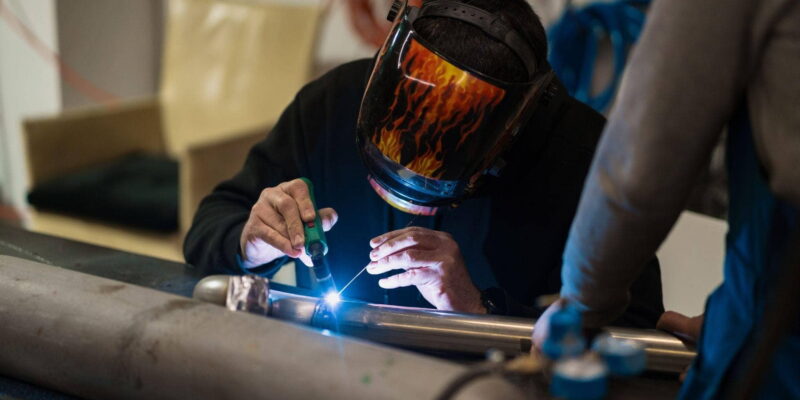
Welding permanently joins metal components to create strong and durable assemblies. Different welding methods are selected based on material type and project requirements.
Assembly
Fabricated parts are assembled into finished products, followed by inspection to verify quality and dimensional accuracy.
Each step contributes to delivering reliable precision metal fabrication for demanding industrial environments.
Understanding CNC Machining
Computer Numerical Control (CNC) machining uses computer-controlled equipment to manufacture highly accurate components from metal, plastic, and other engineering materials.
Unlike manual machining, CNC technology automates the production process, ensuring consistent quality across every part produced.
Businesses seeking reliable CNC machining in Melbourne benefit from advanced manufacturing capabilities that deliver exceptional precision while improving production efficiency.
How CNC Machining Works
The CNC machining process begins with a digital design created using CAD (Computer-Aided Design) software. This design is converted into machine instructions that guide cutting tools to remove material from a workpiece.
Common CNC operations include:
- Milling
- Turning
- Drilling
- Tapping
- Surface finishing
Because the entire process is computer controlled, manufacturers can repeatedly produce identical parts with extremely tight tolerances.
Benefits of CNC Machining
CNC machining offers numerous advantages for industrial manufacturing.
Exceptional Accuracy
Modern CNC equipment produces components with outstanding dimensional precision, making it ideal for industries where even small deviations can affect performance.
Consistent Quality
Automated production ensures every component meets the same specifications, reducing product variation and improving reliability.
Faster Production
CNC systems operate efficiently with minimal manual intervention, allowing businesses to complete projects within shorter timeframes.
Reduced Material Waste
Precise programming optimises cutting paths and material usage, helping reduce waste while lowering manufacturing costs.
Complex Component Manufacturing
CNC technology can manufacture intricate parts that would be difficult or impossible using traditional machining methods.
Industries That Benefit from Fabrication and CNC Machining
Many industries rely on fabricated and machined components to maintain safe and efficient operations.
Common sectors include:
- Automotive manufacturing
- Aerospace engineering
- Mining equipment
- Construction
- Industrial machinery
These industries require components that combine strength, durability, and precision.
Choosing the Right Manufacturing Partner
Selecting an experienced engineering company is essential for achieving successful project outcomes.
Consider the following factors:
- Industry experience
- Advanced manufacturing equipment
- Skilled engineers and machinists
- Quality assurance processes
- Custom manufacturing capabilities
- Reliable turnaround times
Professional providers of CNC machining services in Melbourne can also assist with design improvements, prototype development, and efficient production planning.
Why Quality Matters
Precision manufacturing directly affects product performance, safety, and longevity. Poor-quality fabrication or machining can lead to premature wear, equipment failure, and increased maintenance costs.
Working with experienced professionals ensures:
- Accurate dimensions
- Strong structural integrity
- High-quality finishes
- Reliable product performance
- Compliance with engineering standards
Investing in quality manufacturing helps businesses reduce downtime while extending the service life of critical components.
Supporting Modern Manufacturing
Today’s manufacturing environment demands flexible solutions capable of producing everything from one-off prototypes to large production runs. Combining fabrication expertise with advanced CNC machining allows businesses to manufacture complex components efficiently while maintaining exceptional quality standards.
At Precision Tooling, advanced engineering expertise and modern manufacturing capabilities support businesses across a wide range of industries. From custom fabrication projects to high-precision machined components, Precision Tooling delivers reliable solutions designed to meet exact customer specifications.
Industrial metal fabrication and CNC machining are essential manufacturing processes that support countless industries across Australia. Together, they provide the accuracy, strength, and consistency needed to produce high-quality components for everything from heavy machinery to precision equipment.
Understanding how these processes work helps businesses choose the right manufacturing solutions while improving efficiency, reducing waste, and achieving long-lasting product performance.
Looking for reliable industrial metal fabrication and CNC machining solutions? Contact Precision Tooling today to discuss your project requirements and discover how our experienced team can deliver precision-engineered components with outstanding quality, accuracy, and dependable turnaround times.