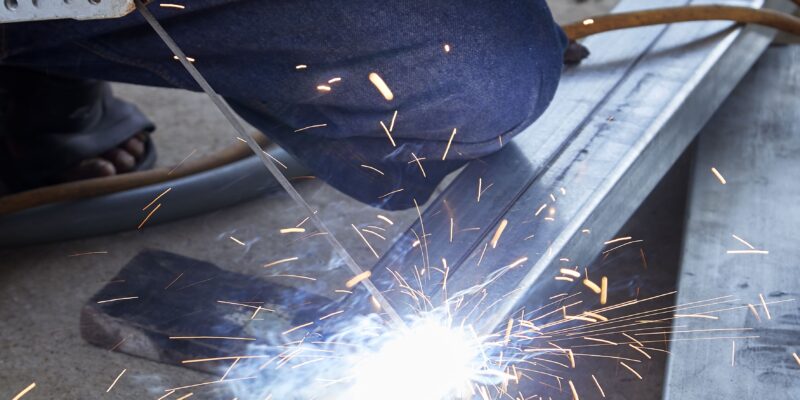
A Metal Cutting Guillotine is an essential tool in any workshop or metal fabrication facility. It ensures precise, clean cuts on various types of metal sheets, allowing businesses to maintain high standards of efficiency and accuracy. Like any heavy-duty machinery, proper maintenance is crucial to extend its lifespan, improve performance, and prevent costly downtime. In this blog, we’ll explore practical tips to maintain your metal cutting guillotine, along with some insights into complementary services that can enhance your workshop operations.
1. Regular Cleaning and Debris Removal
One of the simplest yet most effective ways to maintain your guillotine is regular cleaning. Metal cutting produces shavings, dust, and debris that can accumulate around the blade and moving parts. Over time, this buildup can affect cutting precision and lead to premature wear.
- Daily Cleaning: Wipe down the surface and blades after each use. Remove leftover scraps and metal dust using a soft brush or cloth.
- Lubrication Check: After cleaning, ensure all moving parts are properly lubricated. This reduces friction and prevents rusting.
Keeping your guillotine clean also improves safety in the workshop, as metal shavings can cause slips or other hazards.
2. Blade Inspection and Sharpening
The blade is the heart of your Metal Cutting Guillotine, and its condition directly affects cutting quality. Dull or damaged blades can lead to uneven cuts, increased wear on the machine, and even material waste.
- Routine Inspection: Check the blade edges for chips, cracks, or signs of wear.
- Professional Sharpening: Depending on usage frequency, blades may need professional sharpening or replacement. A well-maintained blade ensures smooth, precise cuts every time.
Pro tip: Keep a spare blade on hand to avoid production delays during maintenance or replacement.
3. Hydraulic and Mechanical System Maintenance
Many metal cutting guillotines operate using hydraulic or mechanical systems. Regular maintenance of these components is vital for consistent performance.
- Hydraulic Guillotines: Check hydraulic fluid levels and inspect hoses and seals for leaks. Replace worn-out seals promptly.
- Mechanical Guillotines: Inspect gears, screws, and pivot points for wear and apply lubrication as needed.
Routine checks help prevent sudden breakdowns and ensure your guillotine operates at peak efficiency.
4. Alignment and Calibration
Proper alignment and calibration guarantee accurate cuts and reduce strain on the machine. Misalignment can cause uneven cutting and unnecessary wear on both the blade and the metal sheet.
- Blade Alignment: Ensure the blade is parallel to the cutting bed and adjust if necessary.
- Back Gauge Calibration: Check the back gauge settings for precision and recalibrate periodically.
Many manufacturers provide manuals or guides for calibration, and following these instructions can save time and prevent errors.
5. Safety Checks
Maintaining your guillotine isn’t just about performance—it’s also about safety. A poorly maintained machine can pose serious risks to operators.
- Safety Guards: Ensure all safety guards and shields are intact and functional.
- Emergency Stops: Test the emergency stop mechanism regularly to ensure it is functioning properly.
- Operator Training: Ensure that all operators receive training to follow established safety protocols.
A well-maintained guillotine reduces the likelihood of workplace accidents and protects your team.
7. Scheduling Professional Maintenance
Even with regular in-house maintenance, periodic professional servicing is recommended. Certified technicians can perform detailed inspections, replace worn components, and recalibrate machinery to factory standards. Scheduling professional maintenance annually or biannually can significantly extend the life of your guillotine.
Conclusion
Maintaining your Metal Cutting Guillotine is essential for long-term performance, safety, and cost efficiency. By keeping the machine clean, inspecting and sharpening blades, maintaining hydraulic or mechanical systems, ensuring proper alignment, and following safety protocols, you can maximise productivity and reduce downtime.
Additionally, integrating complementary services such as CNC machining, moulding, and welding can further enhance your workshop’s capabilities, providing a comprehensive metal fabrication solution.
Invest in your tools today and ensure they serve your business for years to come.
Ready to boost your workshop’s efficiency? Contact Precision Tooling today to explore our services and other expert metal fabrication services!