Metal Fabrication Services

The Role of Metal Fabrication in Melbourne’s Industrial Growth.

Melbourne has long been a hub of industrial innovation and growth, with a rich history of manufacturing that spans multiple sectors. At the heart of this industrial success lies metal fabrication, a critical process that has enabled businesses to create custom parts, machinery, and structures necessary for both small and large-scale operations. As Melbourne continues to evolve as an industrial powerhouse, metal fabrication remains a key player in supporting its growth.

In this blog, we will explore the role of metal fabrication in Melbourne’s industrial landscape and how companies like Vic’s Precision Tooling contribute to this ongoing success.

What is Metal Fabrication?

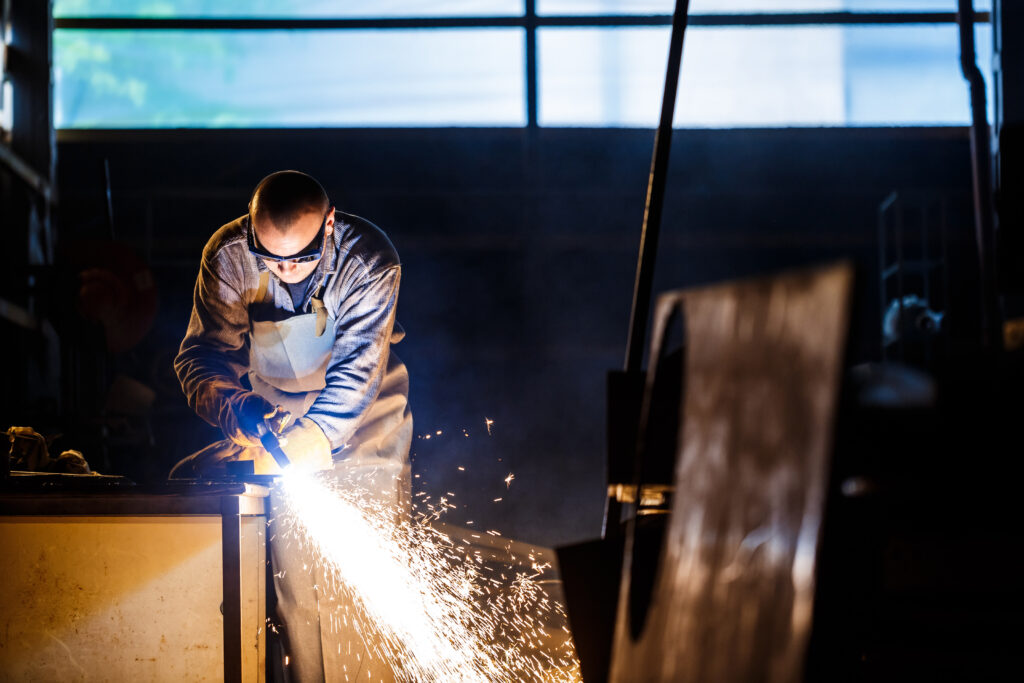
Metal fabrication is the process of cutting, shaping, and assembling metal to create components or finished products. It involves a range of techniques, including:

  • Cutting: Using lasers, plasma, or water jets to precisely cut metal sheets into desired shapes.
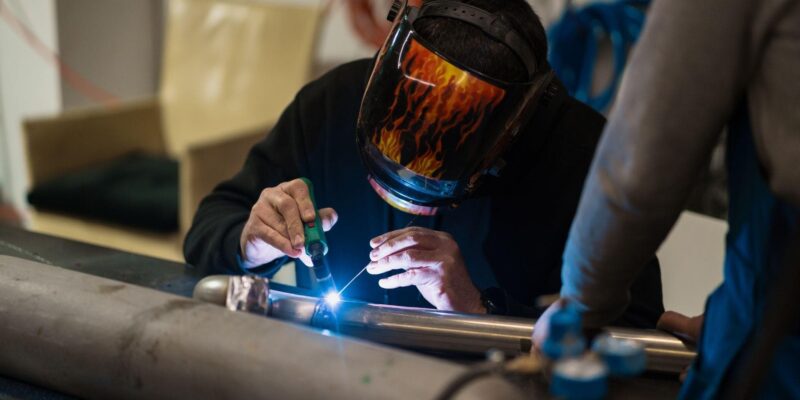
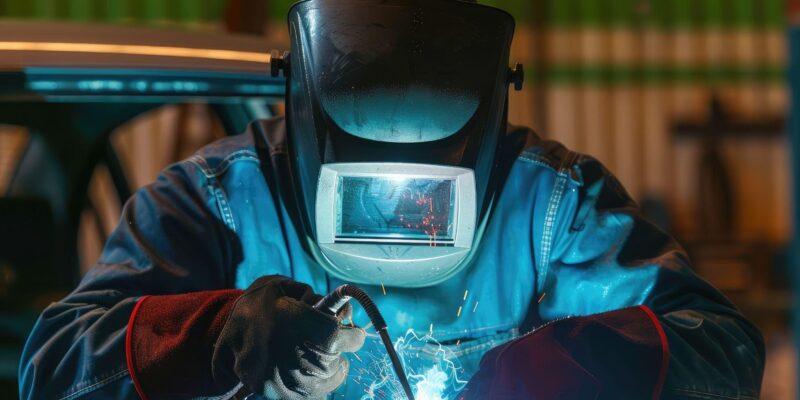
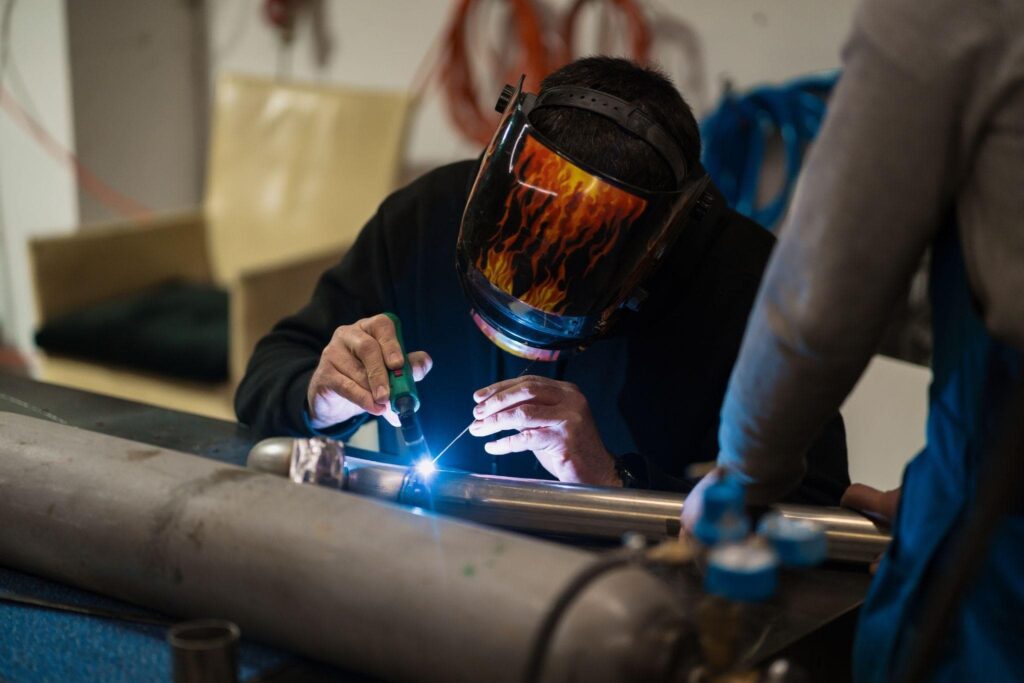
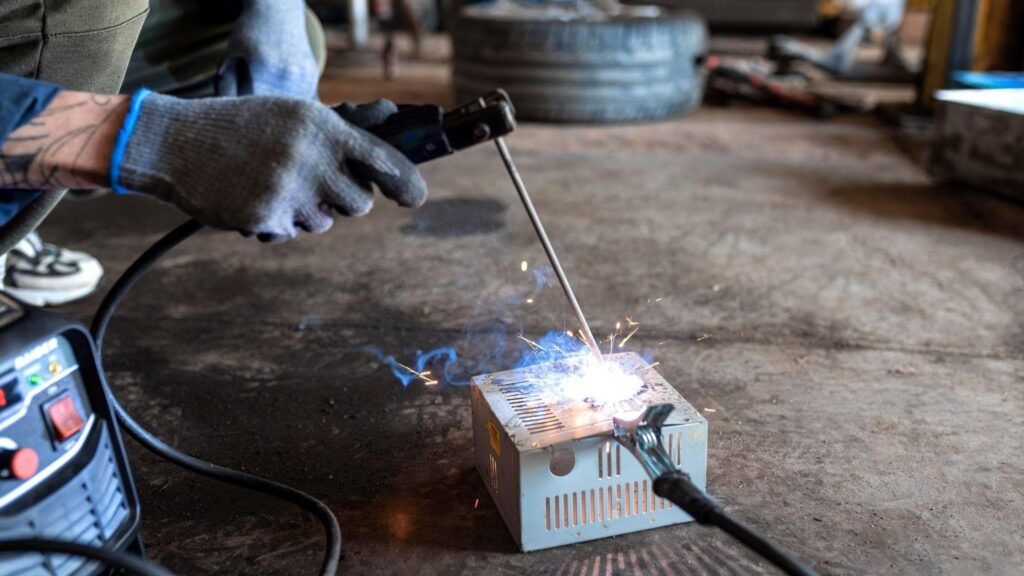
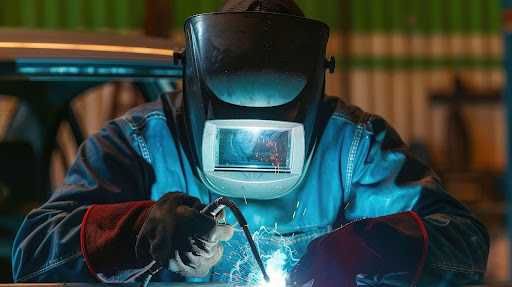
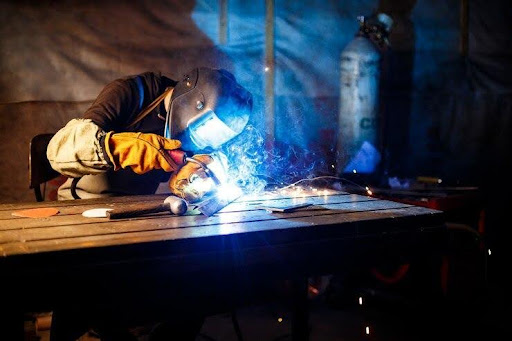
  • Welding: Joining metal parts together through the application of heat and pressure.
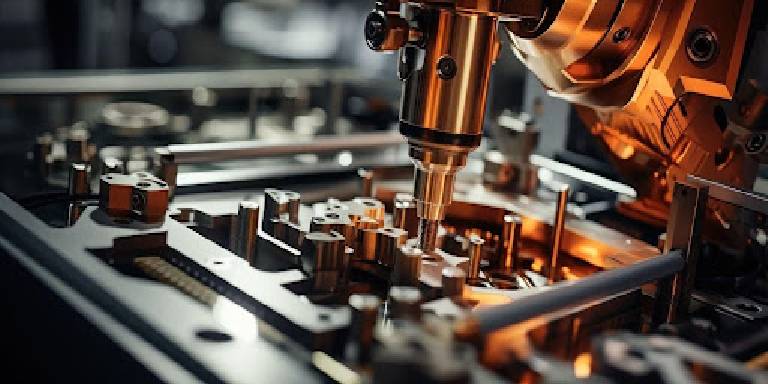
  • Machining: Removing excess material from metal parts using tools like lathes, mills, or drills.
  • Forming: Bending or reshaping metal without cutting to create different structures.

This process is integral to many industries, from automotive and construction to aerospace and electronics. Without metal fabrication, Melbourne’s industrial sector wouldn’t have access to the essential parts and products required to drive growth and innovation.

The Importance of Metal Fabrication in Melbourne’s Industrial Sector

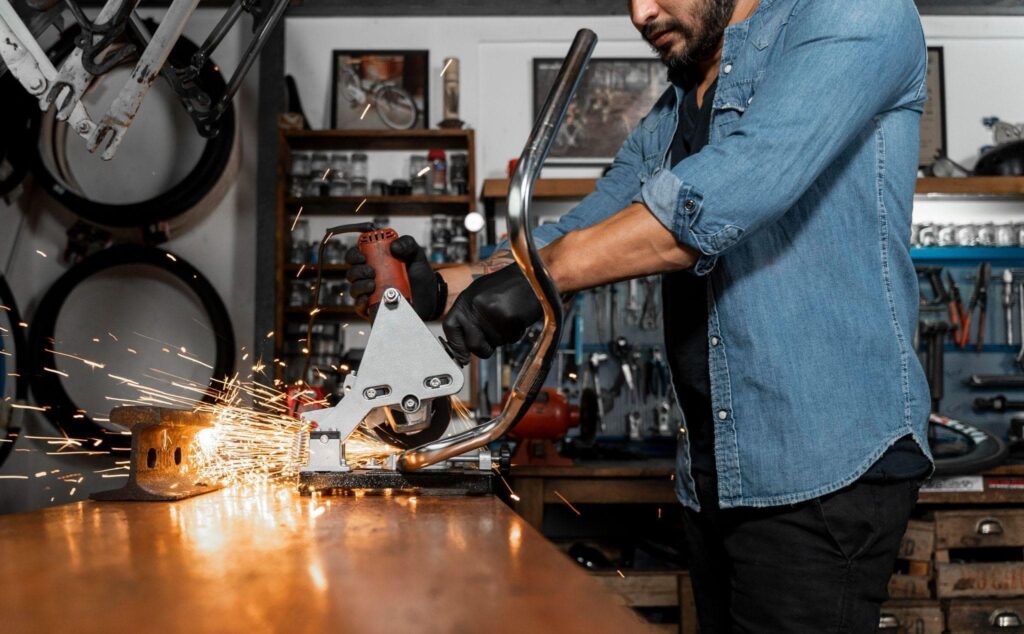
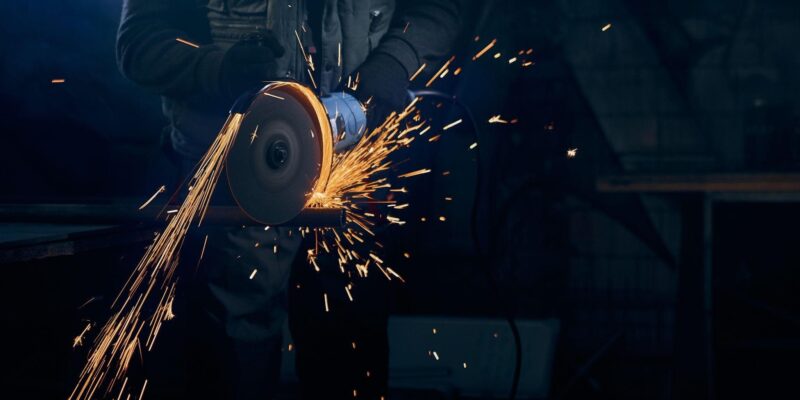
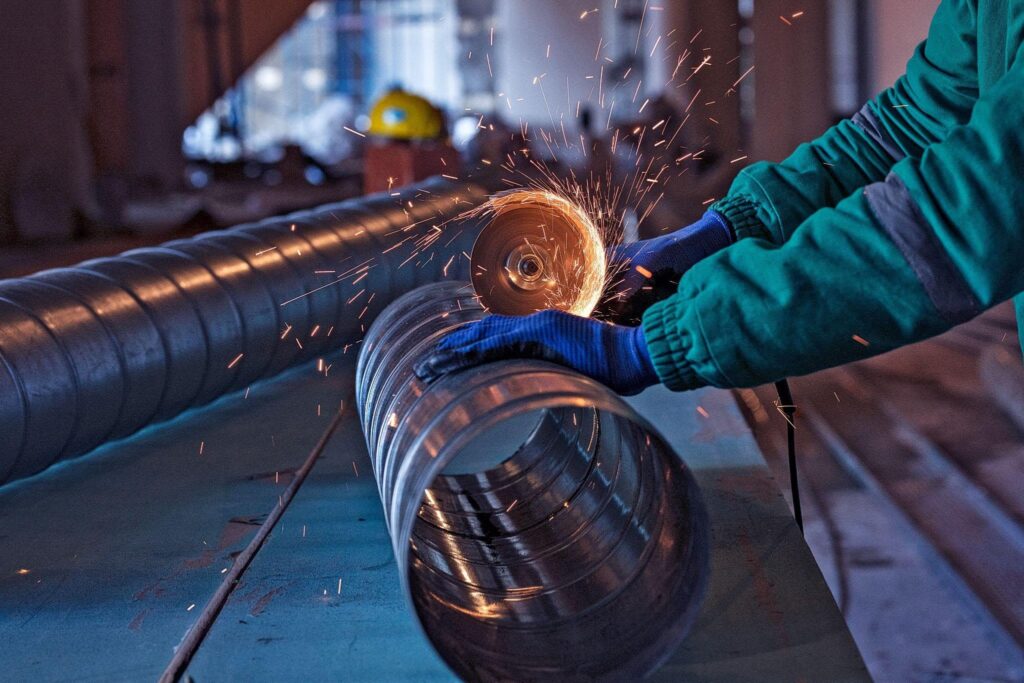
Metal Fabrication in Melbourne

1. Supporting Infrastructure Development

Melbourne is known for its rapidly growing infrastructure, with ongoing projects in transport, commercial real estate, and public services. Metal fabrication plays a pivotal role in these developments by providing the materials and components necessary to build bridges, roads, buildings, and public transportation systems.

Fabrication shops in Melbourne produce custom metal components that are used in the construction of high-rise buildings, railways, and airports. These parts are designed to meet the specific needs of each project, ensuring the safety, durability, and efficiency of Melbourne’s infrastructure.

2. Driving Innovation in Manufacturing

The manufacturing sector is one of Melbourne’s strongest economic pillars, and metal fabrication is a key player in advancing this industry. With the ability to produce intricate metal parts with precision, Melbourne’s fabrication companies help manufacturers create products that are not only high in quality but also innovative.

At Vic’s Precision Tooling, advanced metal fabrication techniques are used to create machinery tools, equipment, and custom tools in Melbourne. These components help Melbourne manufacturers streamline production, improve efficiency, and reduce costs, all of which contribute to overall industrial growth.

3. Custom Solutions for the Automotive Industry

Melbourne has a strong history in automotive manufacturing, and while the industry has evolved over the years, it continues to rely on metal fabrication for vehicle production and innovation. Fabricators create custom parts and components that are essential for building vehicles, from body panels and chassis frames to exhaust systems and engine parts.

Vic’s Precision Tooling supports the automotive industry by offering bespoke metal fabrication services in Melbourne that meet the precise requirements of each project. This ability to create customised, high-quality components allows automotive manufacturers in Melbourne to push the boundaries of design and engineering.

4. Enhancing Melbourne’s Export Capabilities

Metal fabrication not only serves Melbourne’s local industries but also strengthens its position as an exporter of high-quality fabricated products. Fabrication services in Melbourne produce parts and products for a wide range of industries, many of which are exported to international markets.

By providing top-tier metal fabrication, Melbourne-based companies help businesses compete globally, enhancing the city’s industrial reputation and contributing to its economic growth. Vic’s Precision Tooling, with its focus on quality and precision, plays a key role in helping Melbourne companies thrive in the global marketplace.

5. Supporting the Growth of Small and Medium-Sized Enterprises (SMEs)

Melbourne’s industrial landscape is not just made up of large corporations; it’s also home to countless small and medium-sized enterprises (SMEs) that rely on metal fabrication services. These SMEs often need custom solutions, whether they’re building new machinery, producing specialised parts, or developing innovative products.

Metal fabrication companies like Vic’s Precision Tooling provide tailored solutions for these businesses, helping them turn their ideas into reality. By supporting SMEs with high-quality fabrication services, the metal fabrication industry helps drive Melbourne’s industrial diversity and growth.

How Vic’s Precision Tooling is Contributing to Melbourne’s Industrial Growth

Metal Fabrication in Melbourne 2

At Vic’s Precision Tooling, we pride ourselves on being at the forefront of metal fabrication in Melbourne. Our state-of-the-art facility is equipped with the latest technology to ensure precision and quality in every project we undertake. From custom metal components to complex machinery parts, our team of skilled fabricators and engineers delivers solutions that meet the unique needs of our clients.

Our Key Metal Fabrication Services Include:

  • CNC Machining: Precision machining services that allow for the creation of complex metal parts with minimal tolerances.
  • Welding & Assembly: High-quality welding services for assembling metal components and creating finished products.
  • Laser Cutting: Advanced laser cutting capabilities for precise shaping of metal sheets and materials.
  • Custom Fabrication: Tailored solutions for businesses that require bespoke metal products for their operations.

Conclusion

Metal fabrication is a critical component of Melbourne’s industrial growth, providing the building blocks for infrastructure, manufacturing, and innovation. As Melbourne continues to evolve as an industrial leader, companies like Vic’s Precision Tooling play an essential role in supporting this growth with high-quality, precision metal fabrication services.

If you’re looking to elevate your business with custom metal fabrication solutions, contact Vic’s Precision Tooling today. We are committed to helping Melbourne’s industries grow, one precisely crafted metal part at a time.

Sheet metal guillotine cutter

What are the Benefits of Laser Cutting and Metal Fabrication?

In today’s manufacturing world, laser cutting and metal fabrication are revolutionising how we build products, structures, and components. From architectural panels to industrial machinery parts, these processes deliver exceptional precision, efficiency, and quality.

If you’re in Melbourne and looking for metal fabrication services, understanding the benefits of laser cutting can help you choose the best approach for your next project. Here, we outline why laser cutting has become essential in metal fabrication in Melbourne industries, and how it supports precision specialty tooling and metal cutting guillotine processes.

What is Laser Cutting in Metal Fabrication?

Laser cutting is an advanced method that uses a focused, high-powered laser beam to cut through materials with exceptional accuracy. In metal fabrication, it allows manufacturers to cut mild steel, stainless steel, and aluminium sheets into complex shapes without physical contact or tool wear.

Key Benefits of Laser Cutting in Metal Fabrication

1. Superior Precision and Accuracy

One of the top advantages of laser cutting is its unparalleled precision. Whether you’re fabricating intricate designs or structural components, laser cutting ensures:

  • Tight tolerances for precision specialty tooling
  • Clean, burr-free edges requiring minimal post-processing
  • Consistent repeatability for mass production

Traditional cutting methods, such as the metal cutting guillotine, are ideal for straight, uniform cuts. However, when your project demands intricate profiles and detailed geometries, laser cutting offers far greater flexibility.

2. High Cutting Speed and Efficiency

Laser cutting machines work rapidly compared to conventional saws or guillotines. For thin to medium-thickness metals, laser cutting can outperform the speed of mechanical cutting, leading to:

  • Faster turnaround times
  • Reduced labour costs
  • Increased productivity in your fabrication process

In Melbourne’s competitive metal fabrication industry, turnaround time is often a key factor in determining customer satisfaction. By integrating laser cutting, companies can deliver projects ahead of schedule without compromising quality.

3. Versatility Across Materials and Thicknesses

Laser cutting isn’t limited to steel alone. It works effectively on:

  • Stainless steel
  • Mild steel
  • Aluminium
  • Brass and copper (with specialised laser systems)

This versatility enables fabrication workshops to cater to a diverse range of industries, including automotive, architectural, food processing, and precision specialty tooling.

4. Minimal Material Waste

Material optimisation is critical in today’s manufacturing landscape. Laser cutting uses computer numerical control (CNC) systems to nest parts efficiently on the sheet, which results in:

  • Reduced scrap waste
  • Lower material costs
  • Sustainable fabrication practices

This makes it an environmentally friendly and cost-effective option compared to traditional cutting methods.

5. Reduced Tool Wear and Maintenance

Unlike mechanical cutting, laser cutting does not involve direct contact with the material. This means:

  • No tool wear
  • Consistent cut quality throughout production
  • Less downtime for maintenance

In contrast, a metal cutting guillotine, while effective for shearing straight cuts, requires blade sharpening and maintenance to ensure clean cuts over time.

How Does Laser Cutting Complement Metal Cutting Guillotine Processes?

While laser cutting is excellent for precision cutting, metal cutting guillotines remain essential for quick, straight cuts on metal sheets. Many metal fabrication Melbourne workshops integrate both processes to achieve:

  • High-volume straight cutting via guillotines
  • Complex profiling and custom shapes via laser cutting

This dual approach optimises production workflows and ensures that clients receive the best balance of cost-efficiency and precision.

6. Enhanced Design Capabilities

Modern industries demand innovative designs and custom components. Laser cutting enables:

  • Complex patterns and cut-outs
  • Intricate perforations for architectural screens
  • High-detail engraving for branding or part identification

For companies requiring precision specialty tooling, laser cutting enables the creation of components with exact dimensions, ensuring seamless integration into assemblies or machinery.

7. Improved Safety Standards

Safety is a priority in metal fabrication. Laser cutting systems are enclosed and automated, reducing manual handling risks. Operators can manage the cutting process remotely, minimising exposure to sharp edges or flying debris, which are common with manual shearing using a metal cutting guillotine.

8. Cost-Effective for Prototyping and Production

Because of its flexibility and CNC integration, laser cutting is ideal for:

  • One-off prototypes
  • Small batch runs
  • Full-scale production orders

This adaptability reduces tooling costs and setup time, making it economical for businesses investing in new product development.

Why Choose Professional Metal Fabrication Melbourne Services?

When selecting a metal fabrication workshop in Melbourne, ensure they offer both laser cutting and traditional guillotine services. This ensures:

  • Cost-effective straight cuts with a metal cutting guillotine
  • Complex profiling and accuracy with laser cutting
  • End-to-end fabrication solutions from design to delivery

Precision Tooling companies that integrate laser cutting also improve their precision specialty tooling offerings, ensuring clients receive parts that fit perfectly and function reliably.

Final Thoughts

Laser cutting has transformed the metal fabrication industry with its precision, speed, and versatility. Combined with traditional cutting methods, such as metal cutting guillotines, it offers a comprehensive solution for projects across the automotive, construction, architectural, and industrial sectors.

If you’re looking to enhance your production process or require precision specialty tooling, investing in laser cutting and metal fabrication Melbourne services can help you achieve:

  • Superior quality components.
  • Reduced production times.
  • Competitive market advantage.
Industrial welding and metalwork

The Critical Role of Welding in Metal Fabrication | Precision Tooling

When it comes to metal fabrication in Melbourne, welding is not just a supporting process — it’s a core component that brings strength, structure, and reliability to the final product. At Precision Tooling, our expert welders in Melbourne play a crucial role in delivering high-quality, custom metal solutions across various industries, including construction, automotive, manufacturing, and infrastructure.In this article, we examine the significance of welding in the metal fabrication process, the various welding techniques employed, and why collaborating with professional welding services in Melbourne makes all the difference.

What Is Metal Fabrication?

The process of creating metal structures by component assembly, bending, and cutting is known as metal fabrication. It combines skilled craftsmanship with industrial technology to transform raw metal into durable, functional products like beams, machinery frames, staircases, handrails, and more.

This multi-step process typically includes:

  • Cutting and shaping
  • Welding and assembly
  • Finishing and coating

Welding stands out as the critical joining technique that ensures individual metal parts become one strong, cohesive structure.

Why Welding Is Essential in Metal Fabrication

Welding is the process of joining two or more pieces of metal using heat and, sometimes, pressure. In metal fabrication, it serves as the glue that holds everything together, both literally and structurally.

Here’s why welding is so critical:

1. Structural Integrity

Welding ensures that the final metal structure is solid, stable, and able to withstand stress, vibration, and load. For example, the beams in a high-rise building or the chassis of a heavy-duty truck require precision welding to ensure long-term safety and durability.

2. Precision and Customisation

Whether you’re creating a complex machine component or a bespoke staircase, welding offers the flexibility to join metal in exact configurations. Our welders in Melbourne use advanced techniques to meet precise tolerances for custom fabrication.

3. Cost-Effective Assembly

Compared to mechanical fastening or riveting, welding allows for a more seamless and permanent join, reducing the need for additional materials and speeding up production.

4. Versatility

Welding works across a wide range of metals, including steel, stainless steel, aluminium, and more, making it ideal for varied metal fabrication projects in Melbourne, from industrial equipment to architectural elements.

Common Welding Techniques in Metal Fabrication

At Precision Tooling, we use multiple welding techniques based on the project type, material, and strength requirements. The most common include:

MIG Welding (Gas Metal Arc Welding)

Ideal for large-scale fabrication, MIG welding is fast, reliable, and suitable for thick metal sections. It is frequently utilised in structural and automotive applications.

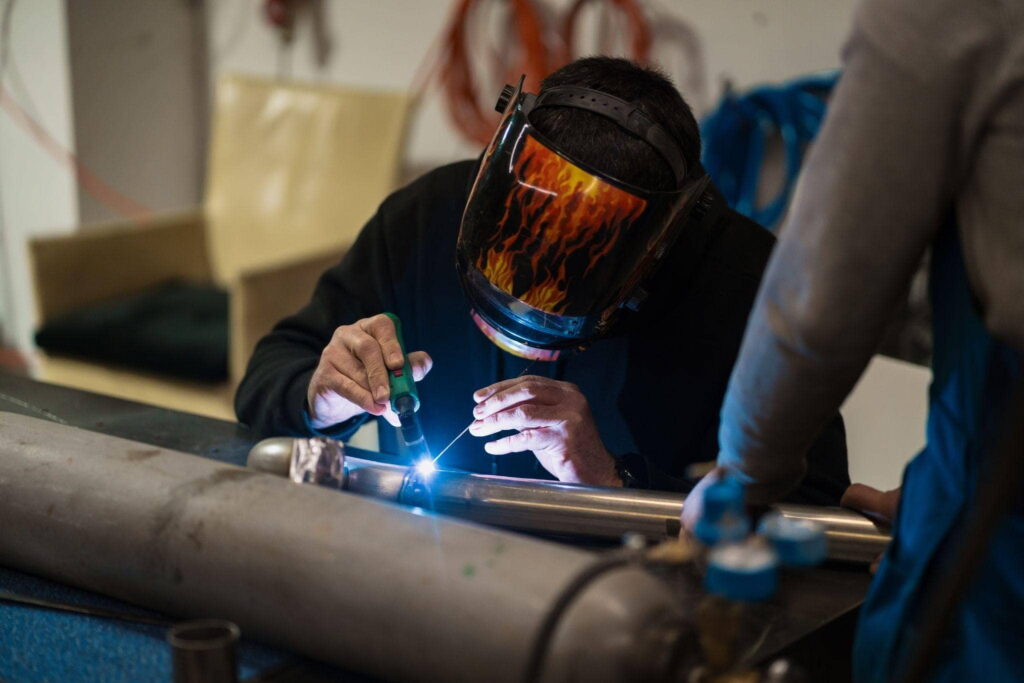
TIG Welding (Gas Tungsten Arc Welding)

Known for precision, TIG welding is perfect for thin materials or jobs requiring clean, high-quality welds. It’s commonly used in the fabrication of stainless steel and aluminium.

Stick Welding (Shielded Metal Arc Welding)

A versatile, robust method often used outdoors or in industrial settings. In Melbourne, it’s especially helpful for heavy-duty welding and maintenance.

Every welding technique has its benefits, and our staff makes sure the appropriate approach is used for each metal production project.

Industries That Rely on Welding in Metal Fabrication

From small workshops to major construction sites, welding in Melbourne supports countless industries:

  • Construction: Structural steel frames, staircases, handrails
  • Automotive: Chassis fabrication, exhaust systems, custom components
  • Manufacturing: Machinery frames, brackets, fixtures
  • Retail & Hospitality: Custom benches, signage, decorative metalwork
  • Infrastructure: Pipes, gates, fencing, bridge components

Precision Tooling is proud to support businesses across these industries with reliable metal fabrication and welding in Melbourne.

What Sets Precision Tooling Apart?

Choosing the right fabrication partner is key to the success of your project. To produce excellent outcomes, Precision Tooling combines local knowledge, technology, and experience.

Certified Welders in Melbourne

Our skilled welders in Melbourne are trained in multiple techniques and adhere to Australian standards for safety and workmanship.

Full-Service Metal Fabrication

We oversee the entire process in-house, from design and development to welding, finishing, and delivery.

Custom Solutions

No two projects are the same. We collaborate closely with our customers to provide unique, reasonably priced fabrication solutions that precisely match their needs.

On-Time & On-Budget

We understand how critical timelines and budgets are. Our team is committed to delivering every job efficiently without compromising quality.

Looking for Professional Welding Services in Melbourne?

If you’re searching for dependable metal fabrication in Melbourne, Precision Tooling is your go-to partner. Whether it’s a one-off job or an ongoing industrial contract, we offer unmatched quality, expertise, and service.

From advanced welding techniques to complete structural assemblies, our team is equipped to handle projects of all sizes with professionalism and precision.

Melbourne tool company

The Future of Additive Manufacturing in Australia: How 3D Printing is Shaping Metal Fabrication

As the global manufacturing industry undergoes a technological revolution, additive manufacturing—more commonly known as 3D printing—is emerging as a game-changer, especially within metal fabrication in melbourne. In Australia, where industries like mining, aerospace, automotive, and construction demand high-precision components, 3D printing is offering smarter, faster, and more sustainable solutions.

This blog explores how additive manufacturing is transforming metal fabrication in Australia, the key benefits and challenges, and what the future holds for businesses adopting this advanced technology.

What is Additive Manufacturing?

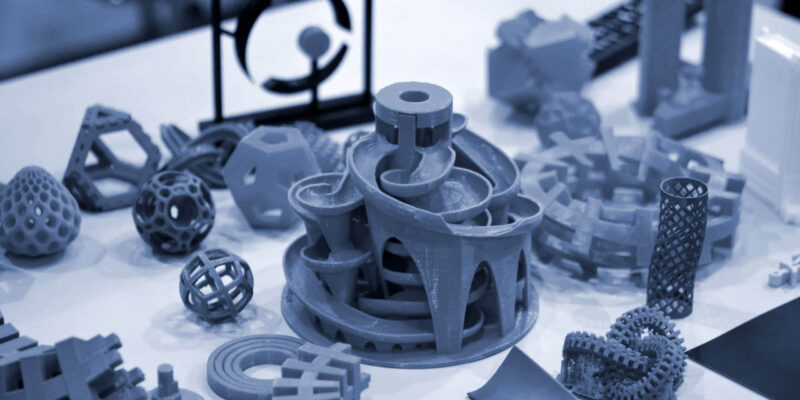
Additive manufacturing refers to the process of creating objects by building them layer by layer using digital models. Unlike traditional subtractive methods (like CNC machining), which cut away material from a block, 3D printing adds material only where needed, minimising waste and optimising efficiency.

When applied to metal fabrication, 3D printing uses materials such as stainless steel, titanium, aluminium, and nickel alloys to create parts with intricate geometries that were once impossible or expensive to manufacture.

Why Additive Manufacturing is Gaining Traction in Australia

Australia has long been known for its strong mining, defence, and medical sectors—industries where custom metal parts are essential. As the demand for faster production cycles, lighter components, and improved performance grows, additive manufacturing offers a strategic advantage.

Several factors are driving the adoption of 3D printing in Australia:

  • Innovation-Driven Policies: Australian government initiatives such as the Modern Manufacturing Strategy are encouraging advanced manufacturing.
  • Localisation of Supply Chains: 3D printing reduces dependence on international suppliers by enabling local production of critical parts.
  • R&D Partnerships: Collaborations between universities, research centres, and private companies (e.g., CSIRO, RMIT, and Swinburne University) are accelerating innovation.

Benefits of 3D Printing in Metal Fabrication

1. Design Freedom and Complexity

With additive manufacturing, complex geometries, internal channels, lattice structures, and lightweight designs are easier to produce. This is particularly beneficial in aerospace and medical applications, where weight and customisation are crucial.

2. Rapid Prototyping and Faster Time-to-Market

3D printing allows manufacturers to produce working prototypes in days, not weeks. This shortens the product development cycle and enables quicker iterations based on feedback.

3. Material Efficiency and Sustainability

Unlike traditional fabrication, which often leads to high levels of waste, 3D printing uses only the necessary amount of metal powder or wire. This leads to:

  • Lower material costs
  • Reduced environmental impact
  • More sustainable manufacturing practices

4. On-Demand Production and Spare Parts

With a digital inventory, companies can produce parts as needed, reducing storage costs and enabling just-in-time manufacturing. This is especially valuable for remote industries like mining or defence.

5. Customisation and Personalisation

3D printing enables easy customisation of parts without the need for precision specialty tooling. This is ideal for producing medical implants or bespoke components for luxury products.

Key Industries Leveraging Metal 3D Printing in Australia

1. Aerospace and Defence

Precision is everything in aerospace. Additive manufacturing enables lighter, high-strength components that reduce fuel consumption and improve performance. The Department of Defence is actively investing in 3D-printed parts for aircraft maintenance and upgrades.

2. Mining and Resources

Australia’s remote mining operations benefit from the ability to print critical replacement parts onsite, reducing costly downtime and logistics.

3. Medical and Dental

Titanium 3D printing is widely used for producing biocompatible implants, prosthetics, and surgical tools tailored to individual patients.

4. Tooling and Mould Making

At Precision Tooling, we see enormous potential in using 3D printing to create custom tooling inserts, dies, and fixtures. Additive manufacturing reduces lead times and improves tooling performance.

The Future of Metal Fabrication in Australia

The rise of additive manufacturing marks a turning point for the metal fabrication industry in Australia. As machines become faster, more affordable, and capable of handling a wider range of materials, the barriers to entry will continue to fall.

Looking ahead, we can expect:

  • Mass Customisation is set to become the norm across multiple sectors.
  • Sustainable Manufacturing is to be driven by reduced waste and local production.
  • Smart Factories where 3D printing integrates with AI, robotics, and IoT.
  • Increased Competitiveness for Australian manufacturers in the global market.

Final Thoughts

Additive manufacturing is no longer just a futuristic concept—it’s already transforming how Australian companies approach metal fabrication. For businesses looking to stay relevant, improve efficiency, and deliver more value to customers, embracing 3D printing is a strategic imperative.

At Precision Tooling, we are closely following and investing in the latest technologies in metal additive manufacturing to deliver better solutions, faster turnaround, and uncompromising precision.

Metal welding in workshop

Custom Welding Solutions: How Precision Tooling Meets Unique Industry Needs

In today’s fast-paced manufacturing environment, the demand for custom welding solutions has never been higher. Industries ranging from aerospace and automotive to construction and medical devices rely on precision welding techniques to meet their unique specifications. Welding plays a critical role in creating strong, durable, and reliable components, and custom solutions are essential when dealing with complex designs, speciality materials, or high-stakes applications. At Vic’s Precision Tooling, we specialise in delivering custom welding solutions that meet the exact needs of various industries, ensuring high-quality results every time.

Here’s how precision tooling and custom welding solutions come together to meet the unique challenges of different industries.

1. Tailored Solutions for Complex Projects

Custom welding solutions are designed to address the specific challenges of each project. Unlike standard welding techniques, custom welding allows for the flexibility to accommodate unique designs, intricate geometries, and tight tolerances. Precision tooling plays a crucial role in ensuring that every weld is accurate and consistent, even when dealing with complex assemblies.

For example, in the aerospace industry, where lightweight yet durable materials like titanium and aluminium are commonly used, custom welding solutions are essential to create joints that are both strong and precise. Precision tooling ensures that even the most intricate welding tasks are performed with the highest level of accuracy, meeting the stringent safety and performance requirements of the industry.

2. Meeting Industry-Specific Standards

Every industry has its own set of standards and regulations that welding solutions must adhere to. From the automotive industry’s focus on strength and durability to the medical sector’s need for biocompatible materials and sterile environments, custom welding solutions are designed to meet these specific requirements.

At Vic’s Precision Tooling, we understand that welding is not a one-size-fits-all solution. Our custom welding services are tailored to meet the unique needs of each industry, ensuring compliance with relevant standards such as ISO, ASME, and AWS. By integrating precision tooling with custom welding techniques, we ensure that each weld is flawless, helping businesses stay compliant and avoid costly rework or delays.

3. Advanced Materials and Welding Techniques

welding-blog-2
Advanced materials and welding procedures are becoming more and more necessary as industries keep pushing the boundaries of innovation. From high-performance alloys to composites, today’s materials often require specialised welding approaches to ensure optimal results. Custom welding solutions are essential when working with these advanced materials, as they allow for the development of specific techniques that accommodate the properties of each material.

For instance, welding materials like stainless steel or nickel alloys requires different techniques than welding standard carbon steel. The heat control, filler material, and weld preparation need to be carefully managed to prevent issues like cracking, warping, or corrosion. Precision tooling ensures that these factors are tightly controlled throughout the welding process, resulting in strong, defect-free joints

4. Enhanced Productivity with Personalised Jigs and Fixtures

One of the most effective ways to improve welding efficiency is through the use of custom jigs and fixtures. These tools are designed specifically for the task at hand, ensuring that the workpiece is held securely in place and aligned properly during welding. This not only increases accuracy but also speeds up production, as the welder doesn’t have to constantly adjust the workpiece.

Precision tooling is integral to the design and creation of these custom jigs and fixtures. By using advanced CNC machining and 3D modelling techniques, we at Vic’s Precision Tooling create fixtures that perfectly fit the geometry of the part being welded. This results in more consistent welds, reduced errors, and faster production times.

5. Scalable Solutions for Large and Small Projects

welding-blog-3

Whether a project requires high-volume production or a one-off custom part, custom welding solutions can be scaled to meet the specific demands of the job. For smaller projects, precision welding is often required to ensure that intricate details and fine tolerances are maintained. In larger projects, the focus shifts towards maximising efficiency without sacrificing quality.

Vic’s Precision Tooling is equipped to handle projects of all sizes, offering scalable solutions that ensure the same level of precision and quality, regardless of the project’s scope. By integrating automation, CNC machining, and custom welding techniques, we can meet tight deadlines while maintaining the highest standards of craftsmanship.

6. Strength and Durability for Critical Applications

In industries like construction, oil and gas, and heavy machinery, the strength and durability of welded components are paramount. These industries rely on custom welding solutions to produce components that can withstand extreme conditions, such as high temperatures, heavy loads, or corrosive environments.

Custom welding allows for the creation of joints that are specifically designed to handle these stresses. Precision tooling ensures that each weld is performed to the exact specifications needed to achieve maximum strength and longevity. For critical applications where failure is not an option, Vic’s Precision Tooling delivers custom welding solutions that provide peace of mind.

7. Seamless Integration with Other Manufacturing Processes

Often, custom welding is only a small portion of a very extensive manufacturing process. In many cases, welded components must be machined, coated, or assembled with other parts before they are ready for use. The ability to seamlessly integrate welding with other processes is key to ensuring efficiency and quality throughout the entire production cycle.

At Vic’s Precision Tooling, we offer comprehensive solutions that include both custom welding and precision machining. By combining these capabilities under one roof, we can streamline the production process and deliver parts that are ready for immediate use, saving time and reducing the risk of errors.

Precision Tooling for Custom Welding Solutions

As industries continue to evolve and require more specialised components, custom welding solutions will play an increasingly important role in meeting unique needs. From accommodating complex designs to ensuring compliance with industry standards, custom welding offers the flexibility and precision that modern manufacturing demands.

At Vic’s Precision Tooling, we combine the latest welding techniques with precision tooling to deliver tailored solutions that meet the exacting requirements of various industries. Whether you’re working with advanced materials, need scalable production, or require strength for critical applications, our custom welding services are designed to exceed your expectations.

Ready to take your project to the next level? Contact Vic’s Precision Tooling today to learn how our custom welding solutions can meet your unique industry needs.

Metalworking on precision engineering

How Metal CNC Projects Transform Modern Manufacturing

In the fast-paced world of modern manufacturing, precision and efficiency are the keys to success. As industries evolve, the demand for high-quality, intricate components continues to grow. Metal CNC (Computer Numerical Control) machining has emerged as a revolutionary technology, transforming how manufacturers design, prototype, and produce metal parts with unmatched accuracy. CNC projects are reshaping the manufacturing landscape from aerospace to medical industries by improving productivity, reducing waste, and enhancing customisation. 


Advantages of Metal CNC Projects

1. Enhanced Precision and Consistency

One of the most significant advantages of metal CNC machining is its ability to produce parts with extreme precision. Modern CNC machines can achieve tolerances as tight as +/- 0.001 inches, ensuring that every component meets exact specifications. This level of accuracy is crucial for industries where even the slightest deviation can lead to failure or inefficiencies, such as in aerospace and medical device manufacturing.

2. Increased Production Efficiency

CNC machining in Melbourne allows for continuous and automated operation, significantly reducing production times. Unlike traditional machining methods that require constant manual intervention, CNC machines can run 24/7 with minimal supervision. This high level of automation results in faster turnaround times, making it easier for manufacturers to meet tight deadlines and scale production.

3. Material Versatility

Metal CNC machining is compatible with a wide range of materials, including aluminium, stainless steel, titanium, and brass. This flexibility allows manufacturers to choose the most suitable material for their specific application, whether it be lightweight aluminium for aerospace components or corrosion-resistant stainless steel for medical implants. The ability to work with diverse metals makes CNC machining services an ideal solution for various industries.

4. Cost-Effective Manufacturing

While CNC machines require an initial investment, they offer significant cost savings in the long run. The automation of the machining process reduces labour costs, minimises material waste, and increases production efficiency. Additionally, CNC machining enables manufacturers to create intricate designs in a single setup, eliminating the need for multiple processing steps and reducing overall production costs.

5. Customisation and Prototyping

CNC machining is a game-changer for prototyping and customisation. With the ability to create intricate and complex designs, manufacturers can quickly develop prototypes to test and refine their products before full-scale production. This rapid prototyping capability is essential for industries such as automotive and consumer electronics, where innovation and design iteration are crucial for success.

6. Improved Safety and Reduced Human Error


Traditional machining methods require manual operation, increasing the risk of workplace accidents and errors. CNC machining eliminates these risks by automating the process, reducing direct human involvement. The use of advanced software ensures that each project is executed with precision, minimising defects and enhancing workplace safety.

Applications of Metal CNC Projects in Various Industries

1. Aerospace Industry

The aerospace industry demands high-precision components that can withstand extreme conditions. Metal CNC machining is widely used to manufacture aircraft parts such as turbine blades, engine components, and structural brackets. The ability to work with lightweight yet durable materials like titanium and aluminium makes CNC machining an essential part of aerospace tool manufacturing.

2. Automotive Industry

CNC machining plays a critical role in the automotive industry by producing high-performance engine parts, transmission components, and custom accessories. The precision and consistency of CNC-machined parts contribute to vehicle efficiency, durability, and overall performance. With the rise of electric vehicles, CNC machining is also being used to create specialised components for battery and powertrain systems.

3. Medical Industry

The medical field relies heavily on CNC machining for the production of surgical instruments, orthopedic implants, and prosthetic devices. Given the need for biocompatible and high-precision parts, materials such as stainless steel and titanium are commonly used. CNC technology ensures that these critical medical components meet stringent quality standards and regulatory requirements.

4. Electronics and Technology

The electronics industry benefits from CNC machining in the production of heat sinks, enclosures, and precision connectors. As electronic devices become smaller and more complex, CNC technology enables manufacturers to produce intricate parts with tight tolerances. The precision of CNC machining ensures the seamless integration of components in various electronic applications.

5. Defence and Military

CNC machining is extensively used in the defence sector for manufacturing weaponry, vehicle armour, and aerospace components. The ability to create durable, high-precision parts ensures the reliability and effectiveness of military equipment. CNC machining also allows for the production of custom prototypes for defence applications, meeting the unique needs of military operations.

Future Trends in Metal CNC Machining

1. Integration of Artificial Intelligence and Automation :

The future of CNC machining lies in the integration of artificial intelligence (AI) and automation. AI-driven CNC machines can optimise tool paths, predict maintenance needs, and enhance overall efficiency. Smart manufacturing techniques are expected to revolutionise the industry by reducing downtime and increasing production accuracy.

2. Advancements in Multi-Axis CNC Machining

Traditional CNC machines usually function across three axes (X, Y, and Z). However, advancements in multi-axis CNC machining (4-axis and 5-axis) allow for greater flexibility and precision. These machines enable manufacturers to produce highly complex geometries with fewer setups, further improving efficiency and reducing costs.

3. Sustainable Manufacturing Practices

As industries shift towards eco-friendly manufacturing, CNC machining is playing a role in reducing material waste and energy consumption. The use of recycled metals and sustainable machining techniques is expected to become more prevalent, aligning with global efforts to minimise environmental impact.

Conclusion

Metal CNC projects have transformed modern manufacturing by offering unmatched precision, efficiency, and versatility. CNC machining has become the backbone of industrial production, from aerospace and automotive to medical and defence industries. As technology advances, the integration of AI, multi-axis capabilities, and sustainable practices will further enhance the role of CNC machining in manufacturing. Companies that embrace CNC technology are well-positioned to stay ahead in the competitive market and drive innovation in the years to come.


Machining engineering machine cutting metal

The Future of Machining Engineering: Trends to Watch in Precision Tooling

In today’s fast-paced manufacturing landscape, machining engineering plays a pivotal role in driving innovation, precision, and efficiency across various industries. As the backbone of modern manufacturing processes, machining engineering is essential for producing high-quality components with exacting tolerances, especially in sectors like aerospace, automotive, medical devices, and electronics. For companies like Vic’s Precision Tooling, staying ahead of these evolving trends is crucial for maintaining a competitive edge and meeting the increasing demands of clients.

The rapid evolution of technology is continuously reshaping the precision tooling industry, introducing new methods, materials, and strategies that enhance production capabilities, improve efficiency, and reduce costs. From automation to advanced materials, the future of machining engineering promises exciting advancements that will significantly impact how parts are designed, manufactured, and delivered. Let’s delve deeper into some of the most transformative trends shaping the future of machining engineering.

1. Automation and Smart Manufacturing

Automation is transforming every corner of the manufacturing industry, and machining engineering is no exception. The integration of robotics and automation into precision tooling is helping businesses increase productivity while reducing human error. Automation in CNC machining allows for faster, more accurate production, especially when paired with smart manufacturing technologies like the Internet of Things (IoT) and artificial intelligence (AI).

2. Additive Manufacturing (3D Printing)

Additive manufacturing, particularly 3D printing, is revolutionising how parts are designed and produced in machining engineering. 3D printing enables the creation of complex geometry that is difficult or impossible to achieve with traditional machining methods. This trend is especially beneficial in prototyping and small batch production, where custom parts can be created more quickly and cost-effectively.

Traditional machining methods, such as milling, turning, and cylindrical cylindrical grinding, typically involve subtracting material from a larger block to create the desired shape. While effective for many applications, these methods are often limited when it comes to producing intricate, multi-dimensional parts, especially those with internal structures, hollow sections, or elaborate latticework.

3. Advanced Materials

The demand for advanced materials in precision tooling is growing. Materials like titanium, carbon fibre, and ceramics are increasingly being used due to their durability, lightweight properties, and resistance to extreme temperatures. These materials are essential for industries such as aerospace, automotive, and medical device manufacturing, where high performance and precision are crucial.

4. Micro-Machining

machining-engineering-2
Micromachining is becoming more and more necessary as technology gets smaller. Micromachining involves the production of extremely small parts with high precision, often used in medical devices, electronics, and aerospace applications. This trend requires advanced machines capable of operating at incredibly tight tolerances while maintaining the highest level of accuracy.

5. Sustainability and Green Manufacturing

Sustainability is becoming a critical consideration in machining engineering as industries strive to reduce their environmental footprint. Green manufacturing practices, such as using eco-friendly lubricants, recycling materials, and improving energy efficiency, are now at the forefront of machining operations. Precision tooling companies are adopting more sustainable approaches, such as reducing material waste and optimising energy use, to meet growing environmental standards.

6. Multi-Axis Machining

Multi-axis machining is another trend shaping the future of precision tooling. Unlike traditional 3-axis machines, multi-axis machining tools can move in multiple directions simultaneously, allowing for more complex and accurate cuts. This is crucial for sectors like aerospace and medical device manufacturing that need precise components with tight tolerances.

7. Data-Driven Manufacturing and Digital Twins

Data-driven manufacturing is becoming increasingly important in precision tooling. The rise of digital twins—virtual models of physical machines or parts enables manufacturers to simulate, analyse, and optimise machining processes in real-time. By collecting and analysing data, manufacturers can improve performance, reduce downtime, and increase the lifespan of both tools and machines.

8. Hybrid Machining Technologies

The combination of subtractive (traditional machining) and additive (3D printing) methods, known as hybrid machining, is an emerging trend that is expected to revolutionise precision tooling. Hybrid machines can both add material and remove material in a single setup, offering manufacturers flexibility and reducing the need for multiple machines or processes.

9. Cybersecurity in Machining

cyber-security
With the rise of Industry 4.0 and the increasing connectivity of machines, cybersecurity is becoming a critical concern in machining engineering. Protecting data, safeguarding intellectual property, and ensuring the integrity of manufacturing processes are essential for maintaining business continuity. Precision tooling companies must implement robust cybersecurity measures to protect sensitive production data and machinery from cyber threats.

The Future of Precision Tooling at Vic’s Precision Tooling

As the machining engineering landscape evolves, staying on top of these emerging trends will be critical for businesses looking to maintain a competitive edge. At Vic’s Precision Tooling, we are committed to embracing the future of precision tooling by adopting advanced technologies, sustainable practices, and innovative solutions that meet the needs of modern manufacturing. From automation and micro-machining to sustainability and cybersecurity, the future of precision tooling is bright—and we’re here to lead the way.

If you’re ready to take advantage of the latest trends in machining engineering, Contact Vic’s Precision Tooling today to learn how we can support your business with state-of-the-art precision tooling solutions..

Applications-of-3D-printing

Exploring the Applications of 3D Printing in Tool Making: Precision Tooling & Engineering Company

3D printing technology has revolutionised numerous industries, including tool making. For a precision tooling company, leveraging it offers numerous advantages, from cost efficiency to design flexibility. This blog will explore the various applications of 3D printing in tool making, its benefits, and how it is shaping the future of the industry.

What is 3D Printing?

Creating three-dimensional objects from a digital file is a process called additive manufacturing, or 3D printing. Using materials like plastic, metal, or resin, the object is constructed layer by layer. This technology allows for the creation of complex shapes and structures that would be challenging or impossible to achieve with traditional manufacturing methods.

Applications of 3D Printing in Tool Making

  • Prototype: 3D printing is widely used for rapid prototyping in tool making. Prototype tools and components can be produced quickly, allowing producers to test and improve designs before moving on with full-scale manufacturing. This reduces development time and costs while improving the final product’s quality.
  • Custom Tooling: One of the significant advantages of 3D printing is its ability to create custom tools tailored to specific applications. Precision Tooling can design and produce unique tools that meet the exact requirements of a project, enhancing efficiency and performance. Custom jigs and fixtures, molds can be produced quickly and cost-effectively.
  • Complex Geometries: Complex geometries that are challenging or impossible to create with conventional manufacturing techniques can now be created thanks to 3D printing. This capability is particularly beneficial in tool making, where intricate designs and precise tolerances are often required. It allows for the production of tools with internal channels, undercuts, and other complex features.
  • Lightweight Tooling: Reducing the weight of tools is essential in many industries, such as aerospace and automotive, where every gram counts. 3D printing allows for the creation of lightweight tools with optimised geometries that maintain strength and durability. This not only improves performance but also reduces material costs and energy consumption.
  • Repair and Maintenance: Current tools may be maintained and repaired with 3D printing. Instead of replacing an entire tool, specific worn-out or damaged parts can be printed and replaced, extending the tool’s lifespan and reducing downtime. This is particularly useful for high-cost or custom tools that are challenging to replace.
  • Production of End-Use Parts: In addition to prototyping and custom tooling, 3D printing is increasingly being used to produce end-use parts. Precision Tooling can create functional, high-quality parts that are ready for immediate use in production. This is especially beneficial for low-volume production runs, where traditional manufacturing methods may be cost-prohibitive.

Benefits of 3D Printing in Tool Making

3D-printing

  • Cost Efficiency: Since 3D printing does not require costly molds or tooling, it can drastically lower production costs. It allows for the efficient use of materials, reducing waste and lowering overall expenses. The capacity to make parts on demand also lowers the cost of inventory.
  • Design Flexibility: The design freedom offered by 3D printing is unparalleled. It enables the creation of complex shapes and structures that are not feasible with traditional manufacturing methods. This flexibility allows for more innovative and efficient tool designs, enhancing performance and functionality.
  • Faster Production: 3D printing accelerates the production process by reducing lead times. Prototypes and custom tools can be produced quickly, allowing for faster iterations and product development. This speed is particularly advantageous in industries with tight deadlines and rapid product cycles.
  • Improved Performance: The ability to create optimised, lightweight, and custom-designed tools enhances performance and efficiency. Tools can be tailored to specific applications, improving functionality and reducing wear and tear. Higher-quality goods and happier customers are the outcomes of this.
  • Sustainability: 3D printing is an environmentally friendly manufacturing method. It generates less waste compared to traditional subtractive manufacturing processes and allows for the use of recycled materials. Additionally, the ability to produce parts on demand reduces the need for excess inventory and transportation, further reducing the environmental impact.

3D Printing’s Future in Tool Manufacturing

3d printing

The future of 3D printing in tool making is promising, with continuous advancements in materials, technology, and processes. As 3D printing becomes more accessible and affordable, its applications in tool-making will continue to expand. Precision Tooling in Melbourne is at the forefront of this revolution, leveraging 3D printing to enhance its capabilities and deliver superior products to its clients.

  • Integration with Traditional Manufacturing: The greatest features of traditional production techniques are being combined with 3D printing to create hybrid systems that are becoming more common. This integration allows for the production of high-quality tools with complex features and optimised performance.
  • Advancement In Material: The development of new materials, such as advanced polymers and high-strength metals, is expanding the possibilities of 3D printing in tool making. These materials offer improved properties, such as higher strength, durability, and heat resistance, making them suitable for a wider range of applications.
  • Automation and Digitalisation: The manufacturing sector is changing due to automation and digitalisation, and 3D printing is no different. The integration of artificial intelligence, machine learning, and IoT technologies is enhancing the efficiency and precision of 3D printing processes, leading to higher quality and more consistent results. 3D printing is revolutionising the tool-making industry, offering numerous advantages such as cost efficiency, design flexibility, and faster production. Precision Tooling in Melbourne is harnessing the power of 3D printing to create innovative, high-quality tools that meet the unique needs of its clients. As technology continues to advance, the applications of 3D printing in tool-making will only expand, driving the industry toward a more efficient and sustainable future. By staying at the forefront of these advancements, Precision Tooling is well-positioned to deliver superior products and services to its customers, ensuring continued growth and success in the competitive manufacturing landscape.
Best Welding Services In Melbourne

Discover The Best Welding Services In Melbourne: Your Ultimate Guide

Melbourne is home to a diverse range of industries requiring high-quality welding services. Whether for construction, manufacturing, or custom projects, the need for skilled welders is paramount. Welding services in Melbourne ensure that structures are safe, durable, and built to last. Choosing the best service provider might be challenging when so many options are accessible. Melbourne, Australia, is constantly under construction and renovation. The intricate creative sculptures and tall towers that define the city’s environment are primarily shaped by metal. Behind this ever-evolving skyline lies the expertise of Melbourne’s incredible welding professionals. If you require high-quality welding services in Melbourne, this guide will help you navigate a wide range of possibilities. We’ll discuss important aspects to consider when selecting a welder, examine the many kinds of welding services offered, and offer advice on how to get the most for your work.


Understanding Tool Manufacturing: From Concept to Creation

Tool manufacturing is a specialised field that bridges the gap between design and production. It involves transforming an engineer’s concept – often outlined in detailed blueprints and computer-aided design (CAD) models – into a tangible tool that can be used for various manufacturing processes. These tools come in a wide array, each with its specific function. Here are some common types of tools encountered in tool manufacturing:

  • Cutting Tools: These tools, like drill bits, milling cutters, and taps, remove material from a workpiece to achieve the desired shape and size.
  • Forming Tools: These tools, such as dies and moulds, shape metal sheets or other materials through pressing, bending, or forging.
  • Jig and Fixture Tooling: Jigs and fixtures are specialised tools that hold workpieces in a precise location during machining or assembly processes, ensuring consistency and repeatability.
  • Gauging Tools: These tools, like callipers and micrometres, are used to measure and inspect components for dimensional accuracy.


The Core Processes of Tool Manufacturing

Creating a precision tool involves a multi-step process, often employing a combination of traditional and cutting-edge techniques. Here’s a breakdown of the key stages involved:

Design and Planning: The journey begins with a collaborative effort between engineers and toolmakers. Engineers translate the product design into detailed tool specifications, considering factors like material selection, functionality, and production tolerances.

Material Selection: Choosing the right material for the tool is crucial. Common tool materials include tool steel, stainless steel, carbide, and diamond, each offering properties like wear resistance, heat tolerance, and cutting ability.

Machining: This core process involves shaping the tool using various machining techniques.

Some common methods include Machining:

  • CNC Machining: Computer Numerically Controlled (CNC) machining uses computer-controlled machines to remove material from a workpiece using cutting tools precisely. This allows for highly accurate and repeatable tool creation.
  • Milling: Milling machines use rotating cutting tools to remove material from a workpiece, creating intricate shapes and features.
  • Turning: Turning machines rotate the workpiece while a stationary cutting tool shapes cylindrical surfaces
  • Grinding: Grinding is a finishing process that uses an abrasive wheel to achieve high levels of dimensional accuracy and surface smoothness on the tool.

Heat Treatment: Many tools undergo heat treatment processes, such as hardening and tempering, to enhance their strength, durability, and wear resistance.

Quality Control: Throughout manufacturing, rigorous quality control checks are implemented to ensure the tool meets the specified tolerances and dimensions. Precision measuring instruments and techniques are employed to verify accuracy.

Finishing and Assembly: Once all the components are manufactured and inspected, they are finished (e.g., coated with lubricants) and assembled into the final tool.


Precision Speciality Tooling: Pushing the Boundaries

The world of tool manufacturing is wider than conventional techniques. Precision speciality tooling comes into play for highly complex components or specialised applications. Here are some examples:

Wire EDM (Electrical Discharge Machining): This process uses electrical sparks to erode the material, allowing for the creation of intricate shapes and features that traditional machining methods might struggle with.

Laser Machining: High-powered lasers can be used for precise cutting, drilling, and ablation of materials, enabling the creation of micro-sized features on tools.

3D Printing: Additive manufacturing technologies like 3D printing are increasingly used to create complex tool components, particularly for prototypes or low-volume production runs.


The Future of Tool Manufacturing in Australia

The Australian tool manufacturing industry is constantly evolving, driven by technological advancements and the demand for ever-increasing precision. Here are some trends shaping the future of the industry:

Automation and Robotics: Automation and robotics streamline tool manufacturing processes and improve efficiency and consistency.

Advanced Materials: New materials with superior properties are continuously being developed, pushing the boundaries of what’s achievable in tool design and performance.

Sustainable Practices: Environmental consciousness is playing a growing role in tool manufacturing. Techniques like minimising material waste and utilising energy-efficient processes are gaining traction.


Conclusion: The Unsung Heroes

Tool manufacturing may not be the most glamorous aspect of production, but its role in shaping the world is undeniable. From the intricate components in our smartphones to the massive machines that build our cars, precision tools are the silent heroes that make modern manufacturing possible. By understanding the meticulous processes of crafting these tools, we gain a deeper appreciation for the expertise and dedication of machining engineering professionals in Australia. As technology continues to evolve and the demand for precision rises, the future of tool manufacturing promises even more exciting advancements, pushing the boundaries of what’s possible and driving innovation across various industries.


Crafting-precision

Crafting Precision: A Comprehensive Guide to Tool Manufacturing Processes

Precision is of utmost importance in the world of manufacturing, as even the slightest imperfection can compromise a product’s functionality. This high level of precision is achieved through the meticulous design and creation of tools, which are the silent heroes that shape, mould, and refine raw materials into finished products. But how are these precision tools manufactured? This comprehensive guide delves into the fascinating world of tool manufacturing processes, exploring the techniques employed by machining engineering experts in Australia to craft the tools that drive innovation.

Understanding Tool Manufacturing: From Concept to Creation

Tool manufacturing is a specialised field that bridges the gap between design and production. It involves transforming an engineer’s concept – often outlined in detailed blueprints and computer-aided design (CAD) models – into a tangible tool that can be used for various manufacturing processes. These tools come in a wide array, each with its specific function. Here are some common types of tools encountered in tool manufacturing:

  • Cutting Tools: These tools, like drill bits, milling cutters, and taps, remove material from a workpiece to achieve the desired shape and size.
  • Forming Tools: These tools, such as dies and moulds, shape metal sheets or other materials through pressing, bending, or forging.
  • Jig and Fixture Tooling: Jigs and fixtures are specialised tools that hold workpieces in a precise location during machining or assembly processes, ensuring consistency and repeatability.
  • Gauging Tools: These tools, like callipers and micrometres, are used to measure and inspect components for dimensional accuracy.


The Core Processes of Tool Manufacturing

Creating a precision tool involves a multi-step process, often employing a combination of traditional and cutting-edge techniques. Here’s a breakdown of the key stages involved:

Design and Planning: The journey begins with a collaborative effort between engineers and toolmakers. Engineers translate the product design into detailed tool specifications, considering factors like material selection, functionality, and production tolerances.

Material Selection: Choosing the right material for the tool is crucial. Common tool materials include tool steel, stainless steel, carbide, and diamond, each offering properties like wear resistance, heat tolerance, and cutting ability.

Machining: This core process involves shaping the tool using various machining techniques.

Some common methods include Machining:

  • CNC Machining: Computer Numerically Controlled (CNC) machining uses computer-controlled machines to remove material from a workpiece using cutting tools precisely. This allows for highly accurate and repeatable tool creation.
  • Milling: Milling machines use rotating cutting tools to remove material from a workpiece, creating intricate shapes and features.
  • Turning: Turning machines rotate the workpiece while a stationary cutting tool shapes cylindrical surfaces
  • Grinding: Grinding is a finishing process that uses an abrasive wheel to achieve high levels of dimensional accuracy and surface smoothness on the tool.

Heat Treatment: Many tools undergo heat treatment processes, such as hardening and tempering, to enhance their strength, durability, and wear resistance.

Quality Control: Throughout manufacturing, rigorous quality control checks are implemented to ensure the tool meets the specified tolerances and dimensions. Precision measuring instruments and techniques are employed to verify accuracy.

Finishing and Assembly: Once all the components are manufactured and inspected, they are finished (e.g., coated with lubricants) and assembled into the final tool.

Precision Speciality Tooling: Pushing the Boundaries

The world of tool manufacturing is wider than conventional techniques. Precision speciality tooling comes into play for highly complex components or specialised applications. Here are some examples:

Wire EDM (Electrical Discharge Machining): This process uses electrical sparks to erode the material, allowing for the creation of intricate shapes and features that traditional machining methods might struggle with.

Laser Machining: High-powered lasers can be used for precise cutting, drilling, and ablation of materials, enabling the creation of micro-sized features on tools.

3D Printing: Additive manufacturing technologies like 3D printing are increasingly used to create complex tool components, particularly for prototypes or low-volume production runs.

The Future of Tool Manufacturing in Australia

The Australian tool manufacturing industry is constantly evolving, driven by technological advancements and the demand for ever-increasing precision. Here are some trends shaping the future of the industry:

Automation and Robotics: Automation and robotics streamline tool manufacturing processes and improve efficiency and consistency.

Advanced Materials: New materials with superior properties are continuously being developed, pushing the boundaries of what’s achievable in tool design and performance.

Sustainable Practices: Environmental consciousness is playing a growing role in tool manufacturing. Techniques like minimising material waste and utilising energy-efficient processes are gaining traction.

Conclusion: The Unsung Heroes

Tool manufacturing may not be the most glamorous aspect of production, but its role in shaping the world is undeniable. From the intricate components in our smartphones to the massive machines that build our cars, precision tools are the silent heroes that make modern manufacturing possible. By understanding the meticulous processes of crafting these tools, we gain a deeper appreciation for the expertise and dedication of machining engineering professionals in Australia. As technology continues to evolve and the demand for precision rises, the future of tool manufacturing promises even more exciting advancements, pushing the boundaries of what’s possible and driving innovation across various industries.