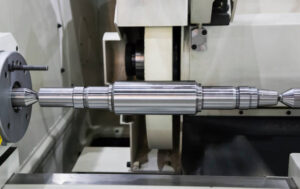
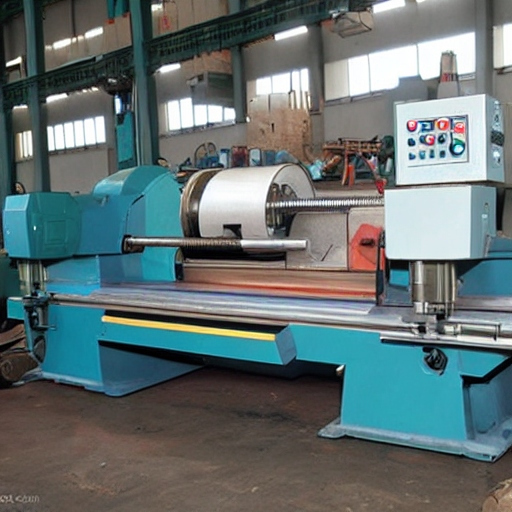
Precision machining toolmaking workshop

The Role of Advanced Manufacturing Techniques in Modern Tool Making

In the rapidly evolving world of manufacturing, staying ahead of the curve requires the adoption of advanced manufacturing techniques. For Precision Tooling, a leading tooling and engineering company in Melbourne, these techniques are pivotal in delivering high-quality, efficient, and innovative solutions to meet the diverse needs of various industries. This blog explores the significant role advanced manufacturing techniques play in modern tool making and how Precision Tooling leverages these methods to maintain its competitive edge.

What Are Advanced Manufacturing Techniques?

Advanced manufacturing techniques refer to the use of innovative technology and processes to improve the efficiency, precision, and flexibility of manufacturing. These techniques include computer-aided design (CAD), computer-aided manufacturing (CAM), computer numerical control (CNC) machining, additive manufacturing (3D printing), and automation. Each technique offers unique advantages that enhance the tool-making process

Key Advanced Manufacturing Techniques in Tool Making

Industrial toolmaking and manufacturing

1. Computer-Aided Design (CAD)

  • Enhanced Design Precision: 3CAD software allows engineers to create detailed 3D models of tools with precise specifications. This enhances the accuracy of the design process, ensuring that the final product meets the exact requirements.
  • Improved Collaboration: CAD enables easy sharing and collaboration on designs among team members and with clients. This streamlines the design process and ensures that all stakeholders are aligned.

2. Computer-Aided Manufacturing (CAM)

  • Efficient Tool Path Planning: CAM software translates CAD models into detailed instructions for manufacturing machinery. This ensures efficient tool path planning, reducing production time and material waste.
  • Integration with CNC Machines: CAM software seamlessly integrates with CNC machines, allowing for automated and precise tool production. This minimises human error and increases consistency.

3. Computer Numerical Control (CNC) Machining

  • High Precision and Accuracy: CNC machining uses computer-controlled tools to produce parts with high precision and accuracy. This is essential for creating complex geometries and achieving tight tolerances in tool making.
  • Versatility: CNC machines can work with a variety of materials, including metals, plastics, and composites. This versatility makes them suitable for producing a wide range of tools.
  • Scalability: CNC machining is highly scalable, making it ideal for both small batch production and large-scale manufacturing.

4. Additive Manufacturing (3D Printing)

  • Rapid Prototyping: 3D printing enables rapid prototyping, allowing engineers to quickly produce and test prototypes before committing to full-scale production. This accelerates the product development cycle.
  • Complex Geometries: 3D printing can create complex geometries that are difficult or impossible to achieve with traditional manufacturing methods. This opens up new possibilities for innovative tool designs.
  • Cost Efficiency: Additive manufacturing reduces material waste and eliminates the need for expensive moulds and tooling, resulting in cost savings.

5. Automation

  • Increased Productivity: Automation streamlines the manufacturing process, increasing productivity and reducing lead times. Automation systems can operate 24/7, further enhancing efficiency.
  • Consistency and Quality: Automated manufacturing processes ensure consistent quality by minimising human error. This leads to higher reliability and performance of the final products.
  • Data-Driven Decisions: Automation systems collect and analyse data in real-time, enabling manufacturers to make informed decisions and optimise their operations.

Benefits of Advanced Manufacturing Techniques in Tool Making

1. Improved Product Quality

Advanced manufacturing techniques enhance the precision and accuracy of tool production, resulting in higher-quality products. This is crucial for industries that demand reliable and durable tools.

2. Greater Design Flexibility

The use of CAD, CAM, and 3D printing allows for greater design flexibility, enabling the creation of complex and customised tools. This meets the specific needs of clients and supports innovative solutions.

3. Reduced Production Costs

Automation and efficient manufacturing processes reduce production costs by minimising material waste, labour expenses, and lead times. This makes high-quality tools more affordable.

4. Faster Time-to-Market

Rapid prototyping and streamlined production processes accelerate the time-to-market for new tools. This is essential for companies looking to stay competitive in fast-paced industries.

5. Enhanced Sustainability

Advanced manufacturing techniques promote sustainability by reducing material waste and energy consumption. This aligns with the growing emphasis on environmentally responsible manufacturing practices.

How Precision Tooling Leverages Advanced Manufacturing Techniques

Toolmaker operating precision machining equipment

Commitment to Innovation

At Precision Tooling, we are committed to staying at the forefront of manufacturing technology. We continuously invest in the latest equipment and software to enhance our capabilities and deliver superior products to our clients.

Expertise and Experience

Our team of skilled engineers and technicians has extensive experience in utilising advanced manufacturing techniques. We leverage this expertise to provide innovative solutions that meet the unique needs of each client.

Customised Solutions

We understand that every project is different. That’s why we offer customised tool-making solutions tailored to the specific requirements of our clients. Our advanced manufacturing techniques allow us to create highly specialised tools with precision and efficiency.

Quality Assurance

Quality is our top priority. We implement rigorous quality control measures at every stage of the manufacturing process to ensure that our tools meet the highest standards of performance and durability.

Collaboration and Support

We believe in building strong relationships with our clients. From initial design to final production, we collaborate closely with our clients to ensure their needs are met and their expectations are exceeded.

Advanced manufacturing techniques play a crucial role in modern tool making, offering numerous benefits such as improved product quality, greater design flexibility, reduced production costs, faster time-to-market, and enhanced sustainability. At Precision Tooling in Melbourne, we leverage these techniques to provide innovative and high-quality tool-making solutions that meet the diverse needs of our clients. By staying at the cutting edge of manufacturing technology, we ensure that we deliver superior products and services, helping our clients achieve their goals and maintain a competitive edge.

If you’re looking for reliable and innovative tool-making solutions, contact Precision Tooling today to learn more about how we can support your needs with our advanced manufacturing capabilities.

cylindrical grinding melbourne

Mastering Precision: A Comprehensive Guide to Cylindrical Grinding

cylindrical grinding melbourne

In the realm of metalworking, where microns matter and tolerances are paramount, achieving cylindrical perfection is an art form. Enter cylindrical grinding, a precise machining process that sculpts cylindrical workpieces into forms of exceptional accuracy and surface finish. This comprehensive guide delves into the world of cylindrical grinding, empowering you with the knowledge and expertise to navigate this powerful technique. From its fundamental principles to advanced applications

What is a Cylindrical Grinding?

At its core, cylindrical grinding is a machining process that utilises a rotating abrasive wheel to remove material from a cylindrical workpiece, progressively shaping it to achieve the desired dimensions and surface finish.

Types of Cylindrical Grinding Machines:

  • Plain cylindrical grinders
  • Universal cylindrical grinders
  • Centerless cylindrical grinders

This technique finds extensive application in various industries, including:

Automotive: Crafting critical engine components like crankshafts, camshafts, and piston pins.

Aerospace: Manufacturing high-precision parts for aircraft landing gear, engine components, and hydraulic systems.

Machine tool manufacturing: Producing precision guideways, spindles, and other machine components.

Bearing manufacturing: Creating the meticulously crafted races and rollers that ensure smooth operation in bearings.

Medical device manufacturing: Shaping intricate components for surgical instruments and prosthetics.

The versatility of cylindrical grinding extends to various workpiece materials, including:

  • Steel and its alloys
  • Cast iron
  • Aluminum and its alloys
  • Stainless steel
  • Hardened steels
  • Tool steels
  • Demystifying the Mechanics of Grinding

The magic of cylindrical grinding lies in the intricate interplay between several key elements:

Grinding wheel: The heart of the process, this rotating disc composed of abrasive grains, removes material from the workpiece.

Workpiece: The cylindrical object being shaped by the grinding wheel.

Coolant: A liquid applied during grinding to cool the workpiece and grinding wheel, preventing thermal damage and ensuring chip removal.

Machine elements: The cylindrical grinding machine houses the grinding wheel, workpiece, and various controls to regulate their movement and interaction.

The grinding process involves the controlled movement of the grinding wheel relative to the workpiece. This movement can be:

In-feed grinding: The grinding wheel moves radially inwards towards the centre of the workpiece, reducing its diameter.

Traverse grinding: The grinding wheel moves along the length of the workpiece, generating a cylindrical form.

Combination of in-feed and traverse grinding: This allows for shaping complex profiles on the workpiece.

Several factors influence the grinding process and its outcome:

Grinding wheel selection: Choosing the appropriate wheel based on its abrasive grain type, size, and bond strength is crucial for achieving the desired material removal rate, surface finish, and wheel life.

Grinding speed: The rotational speed of the grinding wheel significantly impacts the material removal rate, surface finish, and heat generation.

Feed rate: The rate at which the grinding wheel moves relative to the workpiece determines the depth of cut and the surface finish.

Coolant selection and application: The right coolant type and its proper application are essential for cooling the workpiece and grinding wheel, preventing thermal damage, and ensuring chip removal.

Conquering Common Grinding Challenges

While cylindrical grinding offers exceptional precision, certain challenges can arise during the process:

Chatter: Vibrations caused by the interaction of the grinding wheel and workpiece, resulting in poor surface finish and potential damage.

Wheel loading: Clogging the grinding wheel’s pores with workpiece material reduces its cutting efficiency and leads to burning.

Burning: Excessive heat generation during grinding, causing discolouration and weakening of the workpiece material.

These challenges can be mitigated through:

Optimising grinding parameters: Selecting the appropriate grinding wheel, speed, feed rate, and coolant application.

Utilising dressing techniques: Regularly truing and sharpening the grinding wheel to maintain its cutting efficiency and prevent chatter.

Employing proper lubrication and cooling: Using the right coolant type and applying it effectively to minimise heat generation and prevent burning.

Advantages of Cylindrical Grinding

High Precision: Cylindrical grinding offers exceptional precision, making it ideal for producing parts with tight tolerances and complex geometries.

Versatility: It can handle a wide range of materials, shapes, and sizes, making it suitable for various applications across different industries.

Cost-effectiveness: Despite its precision, cylindrical grinding is a cost-effective machining process, offering high productivity and efficiency.

Future Trends in Cylindrical Grinding Technology

Automation and Robotics: Integration of automation and robotics is expected to enhance productivity and precision in cylindrical grinding operations.

Advanced Materials and Coatings: Advancements in materials and coatings will enable the machining of more challenging materials with improved efficiency and precision.

Digitalisation and Data Analytics: Digitalising grinding processes and using data analytics will facilitate predictive maintenance and optimise grinding parameters for enhanced precision.

Conclusion

Mastering precision in cylindrical grinding is essential for achieving high-quality, accurate components across various industries. Manufacturers can unlock new levels of efficiency and performance by understanding the fundamentals of the process, optimising parameters, and embracing technological advancements.