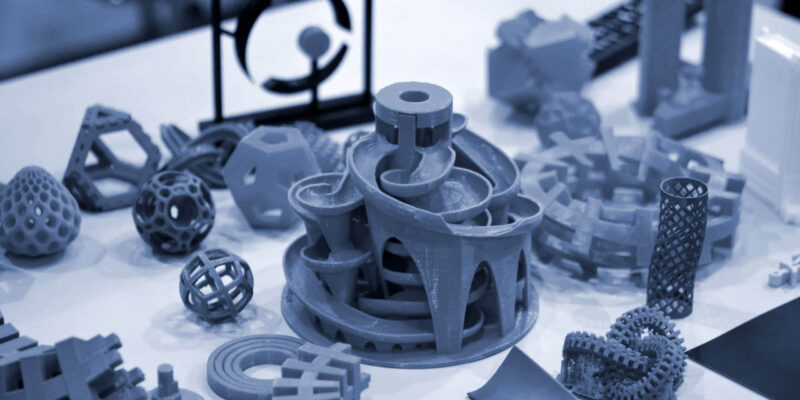
As the global manufacturing industry undergoes a technological revolution, additive manufacturing—more commonly known as 3D printing—is emerging as a game-changer, especially within metal fabrication in melbourne. In Australia, where industries like mining, aerospace, automotive, and construction demand high-precision components, 3D printing is offering smarter, faster, and more sustainable solutions.
This blog explores how additive manufacturing is transforming metal fabrication in Australia, the key benefits and challenges, and what the future holds for businesses adopting this advanced technology.
What is Additive Manufacturing?
Additive manufacturing refers to the process of creating objects by building them layer by layer using digital models. Unlike traditional subtractive methods (like CNC machining), which cut away material from a block, 3D printing adds material only where needed, minimising waste and optimising efficiency.
When applied to metal fabrication, 3D printing uses materials such as stainless steel, titanium, aluminium, and nickel alloys to create parts with intricate geometries that were once impossible or expensive to manufacture.
Why Additive Manufacturing is Gaining Traction in Australia
Australia has long been known for its strong mining, defence, and medical sectors—industries where custom metal parts are essential. As the demand for faster production cycles, lighter components, and improved performance grows, additive manufacturing offers a strategic advantage.
Several factors are driving the adoption of 3D printing in Australia:
- Innovation-Driven Policies: Australian government initiatives such as the Modern Manufacturing Strategy are encouraging advanced manufacturing.
- Localisation of Supply Chains: 3D printing reduces dependence on international suppliers by enabling local production of critical parts.
- R&D Partnerships: Collaborations between universities, research centres, and private companies (e.g., CSIRO, RMIT, and Swinburne University) are accelerating innovation.
Benefits of 3D Printing in Metal Fabrication
1. Design Freedom and Complexity
With additive manufacturing, complex geometries, internal channels, lattice structures, and lightweight designs are easier to produce. This is particularly beneficial in aerospace and medical applications, where weight and customisation are crucial.
2. Rapid Prototyping and Faster Time-to-Market
3D printing allows manufacturers to produce working prototypes in days, not weeks. This shortens the product development cycle and enables quicker iterations based on feedback.
3. Material Efficiency and Sustainability
Unlike traditional fabrication, which often leads to high levels of waste, 3D printing uses only the necessary amount of metal powder or wire. This leads to:
- Lower material costs
- Reduced environmental impact
- More sustainable manufacturing practices
4. On-Demand Production and Spare Parts
With a digital inventory, companies can produce parts as needed, reducing storage costs and enabling just-in-time manufacturing. This is especially valuable for remote industries like mining or defence.
5. Customisation and Personalisation
3D printing enables easy customisation of parts without the need for precision specialty tooling. This is ideal for producing medical implants or bespoke components for luxury products.
Key Industries Leveraging Metal 3D Printing in Australia
1. Aerospace and Defence
Precision is everything in aerospace. Additive manufacturing enables lighter, high-strength components that reduce fuel consumption and improve performance. The Department of Defence is actively investing in 3D-printed parts for aircraft maintenance and upgrades.
2. Mining and Resources
Australia’s remote mining operations benefit from the ability to print critical replacement parts onsite, reducing costly downtime and logistics.
3. Medical and Dental
Titanium 3D printing is widely used for producing biocompatible implants, prosthetics, and surgical tools tailored to individual patients.
4. Tooling and Mould Making
At Precision Tooling, we see enormous potential in using 3D printing to create custom tooling inserts, dies, and fixtures. Additive manufacturing reduces lead times and improves tooling performance.
The Future of Metal Fabrication in Australia

The rise of additive manufacturing marks a turning point for the metal fabrication industry in Australia. As machines become faster, more affordable, and capable of handling a wider range of materials, the barriers to entry will continue to fall.
Looking ahead, we can expect:
- Mass Customisation is set to become the norm across multiple sectors.
- Sustainable Manufacturing is to be driven by reduced waste and local production.
- Smart Factories where 3D printing integrates with AI, robotics, and IoT.
- Increased Competitiveness for Australian manufacturers in the global market.
Final Thoughts
Additive manufacturing is no longer just a futuristic concept—it’s already transforming how Australian companies approach metal fabrication. For businesses looking to stay relevant, improve efficiency, and deliver more value to customers, embracing 3D printing is a strategic imperative.
At Precision Tooling, we are closely following and investing in the latest technologies in metal additive manufacturing to deliver better solutions, faster turnaround, and uncompromising precision.