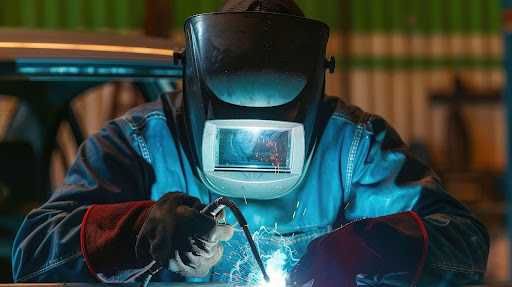
Modern manufacturing is built on accuracy. Whether it’s parts for an aircraft, components for medical devices, or structural elements for construction, every detail must be exact. Achieving that level of precision requires more than traditional methods—it relies on digital design combined with skilled craftsmanship.
This is where CAD-driven metal fabrication stands out. Computer-Aided Design enables engineers and toolmakers to transform ideas into reliable, real-world products. It ensures that what begins as a concept on screen becomes a component that performs exactly as intended.
Why CAD Matters in Metal Fabrication
CAD (Computer-Aided Design) is the backbone of today’s metal fabrication solution. Instead of relying on manual drawings, engineers use digital models that can be tested and refined before production even begins.
The advantages are clear:
- Accuracy – Designs can be adjusted to the smallest fraction of a millimetre.
- Efficiency – Errors are reduced, saving time and material.
- Flexibility – Designs can be easily modified for custom projects.
In industries where precision equals performance, CAD provides the confidence that every part will meet expectations.
From Design to Delivery
The journey from concept to finished product follows a streamlined workflow:
- Concept & Consultation – Clients share their ideas and requirements, which are translated into CAD models.
- Digital Simulation – Stress testing and performance checks are run virtually before any machining begins.
- Tool Design & Build – Skilled tool makers craft the dies, molds, or fixtures needed to support production.
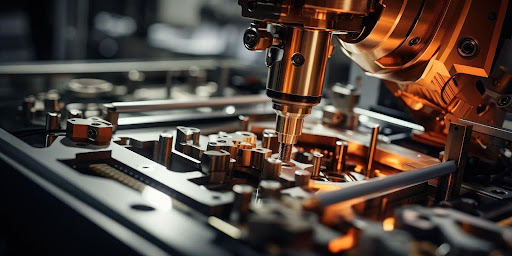
- Fabrication – Advanced techniques such as cutting, folding, or CNC machining bring the design to life.
- Quality Assurance – Every component is inspected against the CAD model to confirm accuracy.
This approach ensures products are consistent, reliable, and delivered on time.
The Role of Tool Makers
Technology alone doesn’t guarantee success—it’s the combination of CAD and skilled craftsmanship that delivers results. Experienced tool makers. play a critical role by using digital drawings as a guide to produce the tools and fixtures that drive production.
Their expertise ensures that even the most advanced designs can be manufactured efficiently and to the highest standards. In this way, tool manufacturing becomes the bridge between digital models and physical outcomes.
Real-World Benefits
For businesses across Melbourne, CAD-driven fabrication provides practical advantages:
- Shorter lead times from design to delivery
- Greater accuracy in complex projects
- Cost savings through reduced waste
- Confidence in meeting industry standards
From small prototypes to large production runs, this approach supports industries as diverse as automotive, aerospace, medical, and construction.
The future of metal fabrication across Melbourne will continue to evolve as CAD technology integrates with advancements in 3D printing and automation. These advancements will make tool manufacturing even more efficient, opening up new possibilities for design flexibility.
Conclusion
CAD-driven fabrication isn’t just about drawing lines on a screen—it’s about turning innovative ideas into tangible results. By combining digital precision with the skills of professional tool makers, businesses can achieve outcomes that are accurate, reliable, and cost-effective.
At Precision Tooling, we bring together expertise in CAD, tool manufacturing, and advanced fabrication to deliver solutions tailored to your needs.
Contact us today to discuss your next project and discover how we can bring your ideas to life.