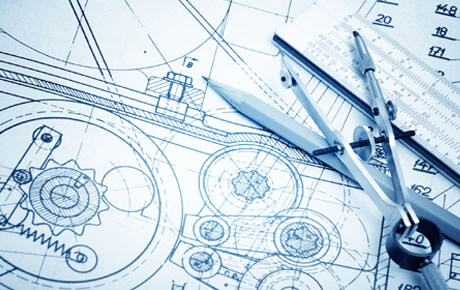
In modern manufacturing, accuracy is everything. Whether you’re producing a single prototype or thousands of identical parts, the foundation of every successful project begins long before machining starts—it begins with the technical drawings. Manufacturers depend on clear, detailed, and error-free drawings to ensure components are produced exactly as intended. This is where 2D drafting and 3D CAD design come into play, forming the backbone of the entire engineering and production process.
With manufacturers constantly pushing for tighter tolerances, greater efficiency, and faster turnaround times, choosing the right type of technical drawing is more important than ever. Understanding the differences between 2D drafting and 3D CAD design can help businesses optimise workflows, reduce errors, minimise costs, and ultimately deliver better products to customers
Why Accurate Technical Drawings Are Critical
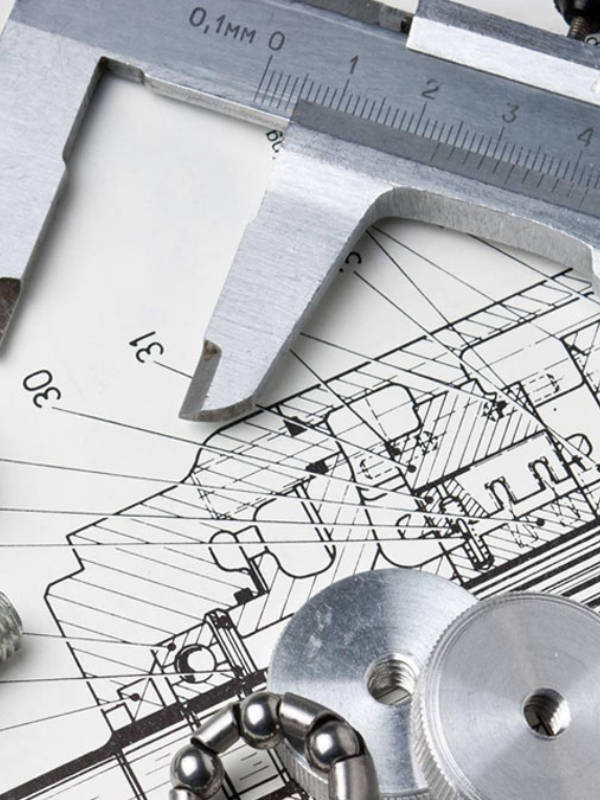
Accurate drawings are essential for translating design concepts into real, manufacturable components. A small mistake or unclear dimension can lead to production delays, wasted materials, costly rework, or even complete project failure.
Technical drawings ensure:
- Every measurement is precise
- Tolerances are clearly defined
- Materials and finishes are specified
- Manufacturing teams understand exactly what needs to be produced
- Quality control teams can verify the final part
Even the most advanced machining services rely on strong, well-structured drawings. Without them, the risk of misinterpretation increases dramatically.
2D Drafting: The Traditional Backbone of Manufacturing
2D drafting has been the industry standard for decades. These flat, two-dimensional drawings show only the length and width of a part, typically across multiple views such as front, side, and top. While simple, 2D drafting remains highly effective for many manufacturing tasks.
Benefits of 2D Drafting
- Easy for machinists and engineers to read
- Ideal for simple geometries and straightforward parts
- Faster to prepare for basic components
- Cost-effective for small projects
2D drafting is still widely used for creating shop drawings, layout plans, and structural details. In many cases, machinists rely heavily on a clear machining drawing to produce precise parts on CNC machines, lathes, and mills.
However, 2D drawings can be limited when dealing with complex designs or products with advanced surface profiles. Ambiguities may arise when translating flat views into 3D real-world components.
3D CAD Design: The Modern Standard for Precision Engineering
As manufacturing becomes more advanced, 3D CAD design has become the preferred choice for engineers, designers, and manufacturers. 3D modelling shows a part from all angles, offering full depth, geometry, and visual clarity that 2D drawings simply can’t provide.
Benefits of 3D CAD Design
- Provides a complete, visual representation of the part
- Helps engineers detect design flaws before machining
- Reduces miscommunication between design and manufacturing teams
- Enables simulation, stress analysis, and digital testing
- Supports CNC tool-path generation and CAM programming
In industries like aerospace, automotive, medical, mining, and heavy manufacturing, 3D models have become essential for efficient production. They help streamline machining engineering processes by ensuring every element of the design is understood before machining begins.
For complex parts, assemblies, and products that require tight tolerances, 3D CAD design significantly reduces the risk of errors, rework, and project delays.
2D Drafting vs 3D CAD Design: Which Should You Choose?
Choosing between 2D and 3D depends on the project’s complexity, budget, and manufacturing requirements.
Choose 2D Drafting When:
- The part has a simple shape
- The budget is limited
- Basic dimensions and tolerances are sufficient
- The component does not require simulation or advanced testing
2D drafting is quick, practical, and budget-friendly—perfect for standard parts and everyday manufacturing tasks.
Choose 3D CAD Design When:
- The part is complex or requires detailed surface geometry
- You need assemblies, exploded views, or component interactions
- Tolerances are extremely tight
- You require CAM programming for CNC machining
- The design demands testing or analysis before production
3D CAD design is ideal for high-precision manufacturing and modern production environments that require accuracy and repeatability.
Why Combining Both Is the Ultimate Solution
In many manufacturing workflows, the most effective approach is to use both methods:
- Create a 3D model for design, engineering, simulation, and CNC programming
- Convert the model into 2D drawings for shop-floor use, quoting, and quality checks
This hybrid approach eliminates ambiguity, improves communication, and ensures every team—designers, machinists, toolmakers, and inspectors—works from the same accurate information.
It also highlights the value of working with professionals who offer reliable CAD design and drafting services, ensuring your technical drawings meet industry standards and support seamless production.
Conclusion
Accurate technical drawings form the foundation of every successful manufacturing project. Whether you choose 2D drafting or 3D CAD design—or a combination of both—clear, detailed, and precise drawings reduce errors, improve efficiency, and ensure parts are manufactured exactly as intended. As manufacturing technology continues to evolve, investing in quality design and drafting is essential for delivering superior products and maintaining a competitive edge.
Ready to Bring Your Design to Life?
If you need professional drafting, CAD modelling, or precision machining support, our team can help.
Contact Precision Tooling today for expert design, engineering, and machining solutions tailored to your project!